
Opening: why comparisons cut through the noise
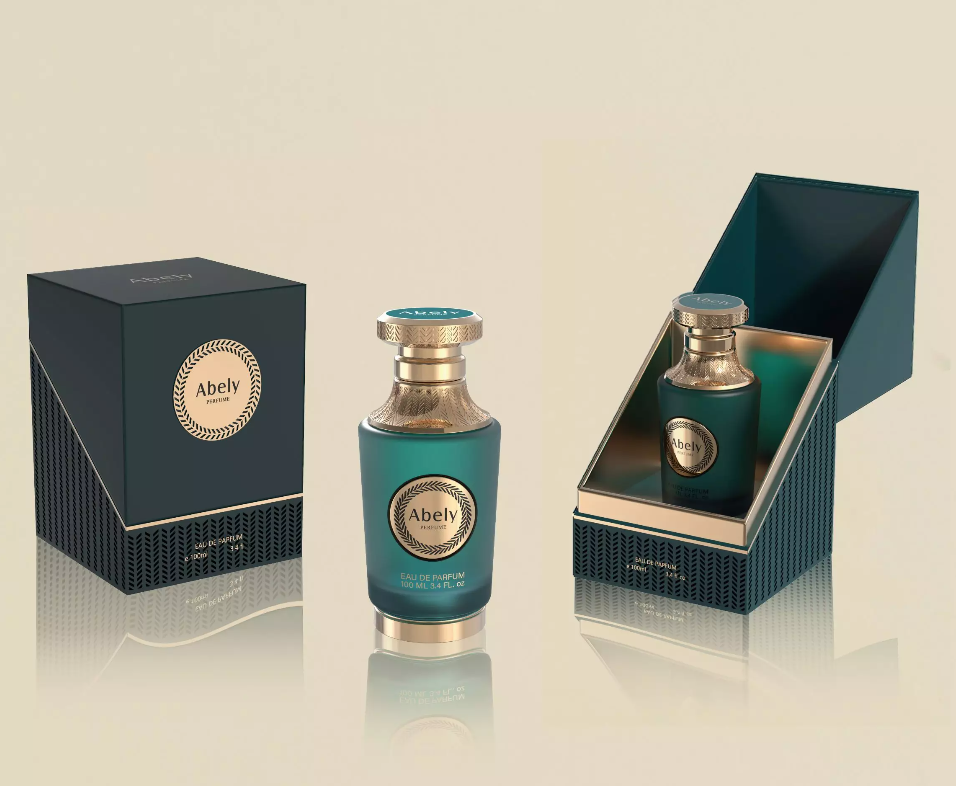
Look — when a brand pick a finish, folks notice. We gon’ compare what different color coatings do for look, durability, and feel so y’all can make a clear call. If you wanna see a specific treatment in action, check how Abely handles their color coating options and why some clients ask for custom perfume bottle coating on their runs. Real-world anchor: designers in Grasse, France, been stressin’ finish quality for decades — that tradition still shapes what high-end houses expect today.
Why finish choice matters for your brand
Finish ain’t just pretty — it sell. A matte wrap whispers luxury; a metallic chrome screams modern. Consumers judge packaging in seconds, and the coating affects scratch resistance, light reflectivity, and even scent perception on first touch. Startups and legacy houses both need finishes that match messaging — otherwise that bottle look like it don’t belong to the story y’all tryna tell.
Common coating methods — side-by-side comparison
Here we lay out the usual suspects so you can compare apples to apples:
– Spray-applied lacquer: fast, cost-effective, good for color uniformity but can chip if not cured correctly.
– Electroplating / vacuum metallization: high shine, reflective, great for metallics — but more expensive and needs tighter environmental control.
– Powder coating: durable and tactile, less VOCs if done right, but limited for ultra-fine graphic detail.
– UV-cured inks/coatings: quick cure times, strong adhesion, great for short runs with variable color — often used when speed matters.
Each method got trade-offs. For limited editions you might pay for a metalized finish. For mass-market runs you might favor powders — budget and durability play together.
How to pick a supplier — practical, comparative checks
When you talk to suppliers, compare across these axes: consistency, turnaround, compliance, and color fidelity. Ask for a Pantone match, then ask for a week-old sample — you wanna see how the finish holds up. Check their production floor: is curing oven temp logged? Are process controls in place? If they can’t share basic QC steps, that a red flag.
Common mistakes brands make — don’t trip here
Brands often rush aesthetics and forget specs. They choose a glossy look without testing fingerprints. Or they chase a trendy metallic only to discover it dulls under retail lights — costly reworks follow. Also, don’t ignore regulatory or sustainability constraints — some coatings carry solvent issues that make international shipping or retail acceptance harder. Test early. Prototype often. — Trust me, early testing saves big headaches.
Comparative cost vs. value — what pays off
Cost ain’t the only thing — value is. A higher upfront spend on a durable coating can cut returns and protect perfumes in transit. Compare lifecycle costs: replacement, refunds, and brand perception. For many mid-tier brands, spending a little more on a reliable color coating saves money over the first 12 months by reducing defects and boosting shelf appeal.
Advisory: Three golden rules when selecting coatings
1) Demand tangible samples under real conditions — retail lights, humidity, handling. If it flakes in-store, it fail. 2) Verify process controls and environmental compliance — VOC limits, waste handling, consistent cure cycles. Those keep your supply chain steady. 3) Match finish to brand story and supply realities — don’t pick an artisan metallic if you’re shipping millions; choose a scalable alternative that keeps the look without wrecking lead times.
Wrap-up: what to take with you
Comparing finishes ain’t just technical — it’s strategic. You want a finish that holds color, protects the bottle, and tells your brand’s story in the aisle. Test early, vet suppliers on consistency, and weigh lifecycle value over cheap unit price. When you bring those pieces together, the right coating becomes an asset, not a cost.
Abely got the hands-on know-how to help brands translate design into durable, repeatable finishes — they make that fit feel natural, like it was always meant to be. —
Expertise that shows up in the bottle.

