
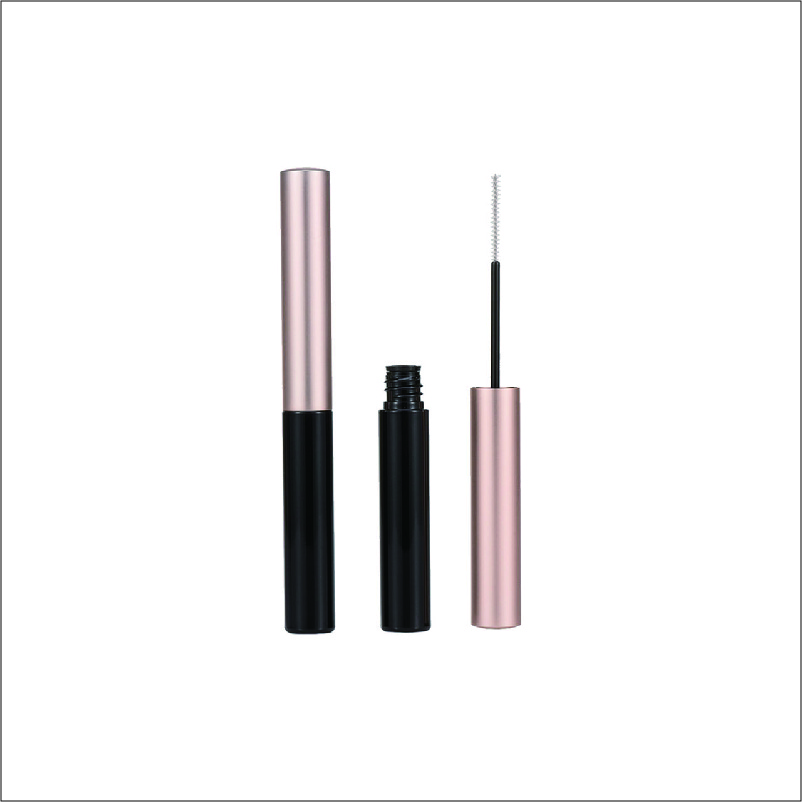
The Real Shop Floor Choice: Cost vs Fit vs Time
You’re hustling to ship a launch and the clock won’t quit. You’re buying empty mascara tubes wholesale to save margin and stop stock-outs. The numbers look clean until the cartons land: 8% leak rate, 5–7 weeks late, and a brush that doesn’t match your formula. So what’s the real trade-off here—price per unit, or the headache tax you pay later? On the floor, small misses add up. A wiper that’s 0.1 mm off will flood the neck. A cap thread that’s shallow will back off during transit. Then rework eats your day (and your mood).
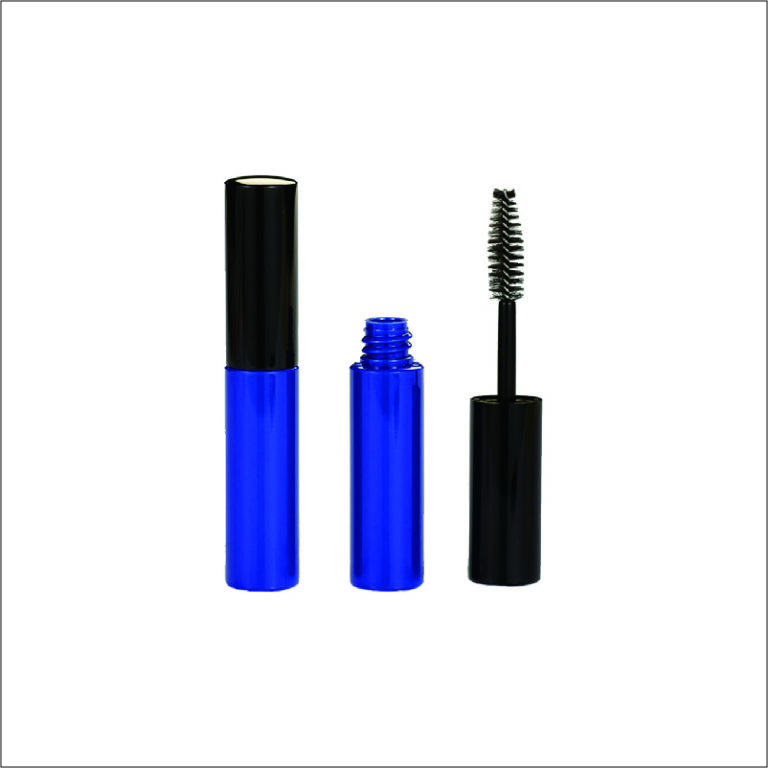
Here’s the thing most folks won’t say: the “cheap now” option often turns into a “slow and messy” option. Return freight, QC sampling, and relabeling burns time. Your line sits. Your fill crew waits. Customers don’t. If your SKU depends on drop tests, tight viscosity windows, and precise injection molding, you need more than a pretty tube—you need matched parts that stay put. And yeah, that means better planning and better partners. So let’s break it down, side by side, and get clear on what to watch next.
Under the Hood: Why the Old Fixes Fail
What breaks in the old playbook?
A solid empty mascara tube manufacturer won’t just quote a mold and vanish; they’ll match brush, stem, and wiper to your fill viscosity and your target payoff. Traditional fixes miss that. Chasing the lowest MOQ and a generic mold sounds smart, but it hides risk. The wiper tolerance drifts, the resin shrinks, and then caps mis-thread at the line. You swap to a thicker formula to stop drips—now flow rate changes and QC flags it. Look, it’s simpler than you think: if the applicator, wiper, and bottle throat aren’t designed as a system, you’ll push defects downstream. Then the rework cost eats your “savings” — funny how that works, right?
Another quiet pain point: decoration and timing. You pick hot stamping last minute, but the foil cracks after 200 squeeze cycles. Or silk screen ink ghosts on soft-touch coatings. Nobody mentions it until returns rise. Old-school buying splits steps: component here, brush there, print somewhere else. Every handoff adds slippage. You want one spec tree: resin grade, gate location, thread pitch, wiper Shore hardness, and seal torque. Add basic proofs like 24-hour leak, 1-meter drop, and 500 open-close cycles. When the system spec is clear, surprise costs fall. When it’s fuzzy, your team ends up firefighting. That’s the real drag on scale.
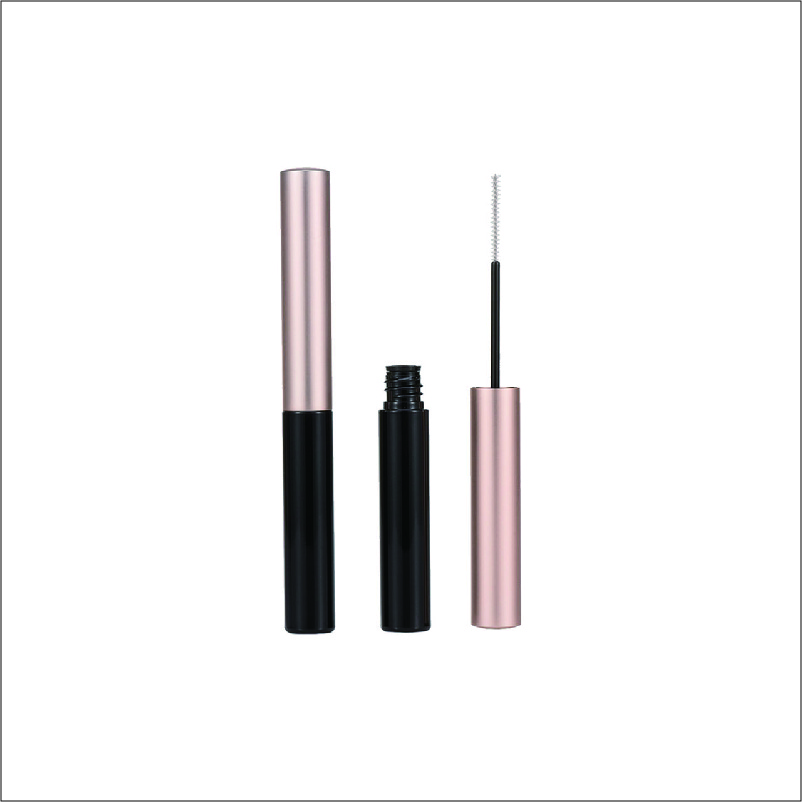
Where the Market Is Headed: Smarter Specs, Faster Turns
What’s Next
The better path is showing up fast without gambling. New lines use simple principles: design-to-fit, quick checks, and data. Some mascara tube manufacturers now run vision systems to measure wiper lips and stem diameter on the fly. They keep SPC charts, so drift gets caught early. Others stock a digital mold library: you pick brush fiber, stem flex, and neck fit, then simulate flow and cap torque. Result: fewer surprises, faster PP samples, and smoother scale. Want PCR content? Pair 30% PCR PP with adjusted gate and wall to hold crush strength. Want high-gloss? Shift to UV coating with a crosshatch test baked in. Small tweaks. Big lift.
Real-world, this is a comparison game. Old method: price-first, fix-later, long lead time (and weekend rework). New method: spec-first, measure early, ship clean. You still watch costs, but you watch failure modes too—leak paths, cap back-out, brush splay. That’s how you drop defects without slowing down — funny how that works, right? To choose well, use three checks. One: fit integrity, proven by leak rate under heat, drop, and altitude tests. Two: process control, shown by tolerance reports and lot-level QC sampling. Three: total landed speed, measured by PP sample cycle time and on-time-in-full. Keep it blunt. Keep it visible. You’ll feel the difference on your line and in your returns pile. For a steady reference point, keep an eye on NAVI Packaging.

