
Problem: Costs feel opaque, owners unsure
Hybrid inverters promise flexibility. Buyers still see big price tags and unclear long-term value. I worked with a solar inverter manufacturer and a renewable energy company on projects where California rules and utility reviews pushed costs up. That showed me the same problem again: headline price is only part of project value.
Core cost drivers you must know
Focus on these items. They change total project cost more than sticker price.
– Inverter design and rated power. Higher continuous output and surge capability cost more. Efficiency differences are small at best, but rated power matters for peak loads.
– Battery integration and controls. Native hybrid capability reduces integration wiring and software cost. Retrofit setups add engineering time and extra hardware.
– Balance of system (BOS). AC/DC cabling, combiner boxes, containment, and switches scale with system size. BOS errors create big overruns.
– Grid interconnection and approvals. Utility studies, relay settings, and export limits add engineering and sometimes curtailment hardware. In places like California, these reviews can add weeks and extra equipment.
– Procurement scale and supplier risk. Small orders pay more. Warranties and local support reduce long-term risk but raise upfront price.
– Installation labor and commissioning. Trained crews for hybrid systems command premium rates. Mistakes on commissioning often require rework.
– Certification and warranty length. Longer warranty or higher test standards (thermal cycling, humidity) increase cost but lower replacement risk.
Trade-offs that change lifetime value
Cheap unit now can cost more later. Think beyond first cost.
– Lifespan vs replacement schedule. A slightly more expensive inverter with 15-year track record can avoid a mid-life swap.
– Battery-software ecosystem. Good monitoring and firmware updates save O&M time. Bad software creates repeated service calls.
– Over-sizing vs clipping. Oversized inverters reduce clipping but increase cost; undersized can shortchange export or backup performance.
– Local support vs remote brand. Nearby technicians cut downtime. Overseas-only support raises logistics risk.
Common mistakes that inflate final cost
Teams often repeat the same errors. Avoid these.
– Ignoring thermal management for inverters placed in hot enclosures.
– Assuming warranty covers installation faults. It usually doesn’t.
– Relying on optimistic grid-service revenue to justify cheaper hardware.
– Mixing brands without validating communication protocols—creates hours of software troubleshooting.
– Skipping a sensitivity run for incentives and tariffs. Small policy shifts change payback quickly.
Practical steps to value a hybrid inverter project
Use these checks during design and procurement.
1) Build total cost-of-ownership (TCO) model that includes replacement cycles, O&M, and expected downtime.
2) Run two scenarios: conservative and optimistic for energy prices and export rules. Use sensitivity for export limits or tariff changes.
3) Ask vendors for field data or references on similar systems; prefer units tested to recognized standards and with clear failure modes.
4) Include commissioning and firmware update plan in contract. Make acceptance conditional on successful grid-interconnect testing.
5) Price local service and spare parts separately. Fast local access often prevents costly system downtime.
Quick comparison: hybrid vs separate components
Choose by project needs, not by trend.
– Hybrid inverter: cleaner installation, fewer protocol gaps, simpler commissioning. Best when you want compact system and single-vendor responsibility.
– Separate inverter + battery inverter: more flexibility to mix best-in-class parts. Better for large-scale or phased battery add-ons, but requires strong integration skills.
– Centralized inverter vs string hybrid: central lowers per-W cost for very large plants. String hybrids give modular scaling and easier partial failures repair.
How to avoid value traps during procurement
Negotiate specifics that protect long-term value.
– Define acceptance tests that include firmware and grid interaction behavior.
– Require spare parts lead times in the contract.
– Tie warranty payments to service response times.
– Verify training and documentation for on-site technicians.
– Ask for a real-case list of installed systems and contactable references.
Final practical view
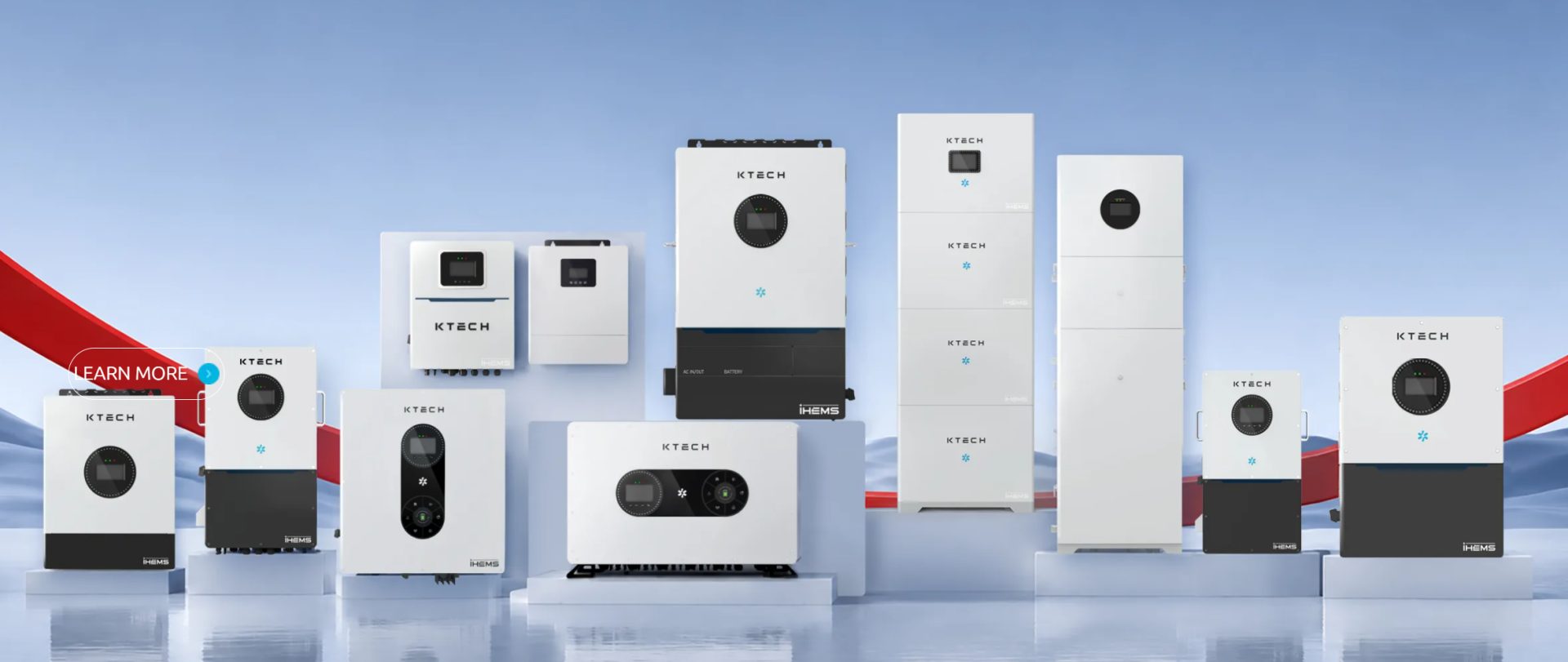
Hybrid inverters are not just product choices. They are project levers. Solve the key problems—integration, commissioning, and service—and you keep costs predictable and value real. That practical, no-nonsense approach is what I saw work well with Ktech.

