
Quick user-first start
You need radio communications that work where you work — noisy docks, wet decks, tight warehouses. Start with the use-case: team size, coverage area, environment, and whether you must operate over private channels or public LTE. For site-wide push-to-talk over cellular choose a secure 2 way radio when encryption, location reporting and instant group call are required; it removes guesswork and gives predictable behavior under load.
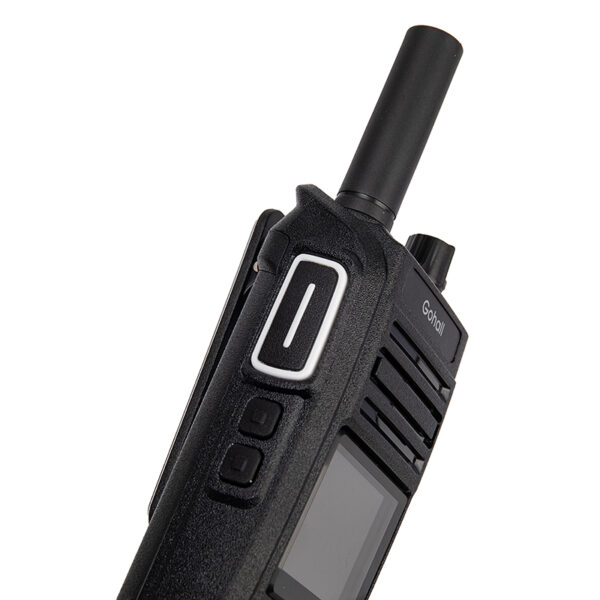
What matters — direct checklist
Range: specify required line-of-sight and non‑line‑of‑sight coverage in meters. Don’t rely on vendor range charts without real site tests. Durability: require an IP rating (IP67 minimum for immersion). Battery: list runtime with continuous Tx bursts and reserve capacity for a full shift. Interoperability: confirm support for existing radio systems (analogue, DMR, LTE). Security: insist on AES or comparable encryption and secure boot for the device. Management: remote firmware, group provisioning and logging must be measurable and auditable.
Experience, evidence and a field anchor
Specifications are necessary; field verification is decisive. Field trials on Port of Rotterdam container terminals show how salt spray and continuous vibration expose weak seals and loose firmware handling — that’s why waterproofing and robust PoC stacks matter. For hardware that meets those requirements, consult manufacturers focused on sealed PoC devices like waterproof poc radio manufacturer. Tests should cover repeated IP stress, LTE handover behavior and emergency group-call latency.
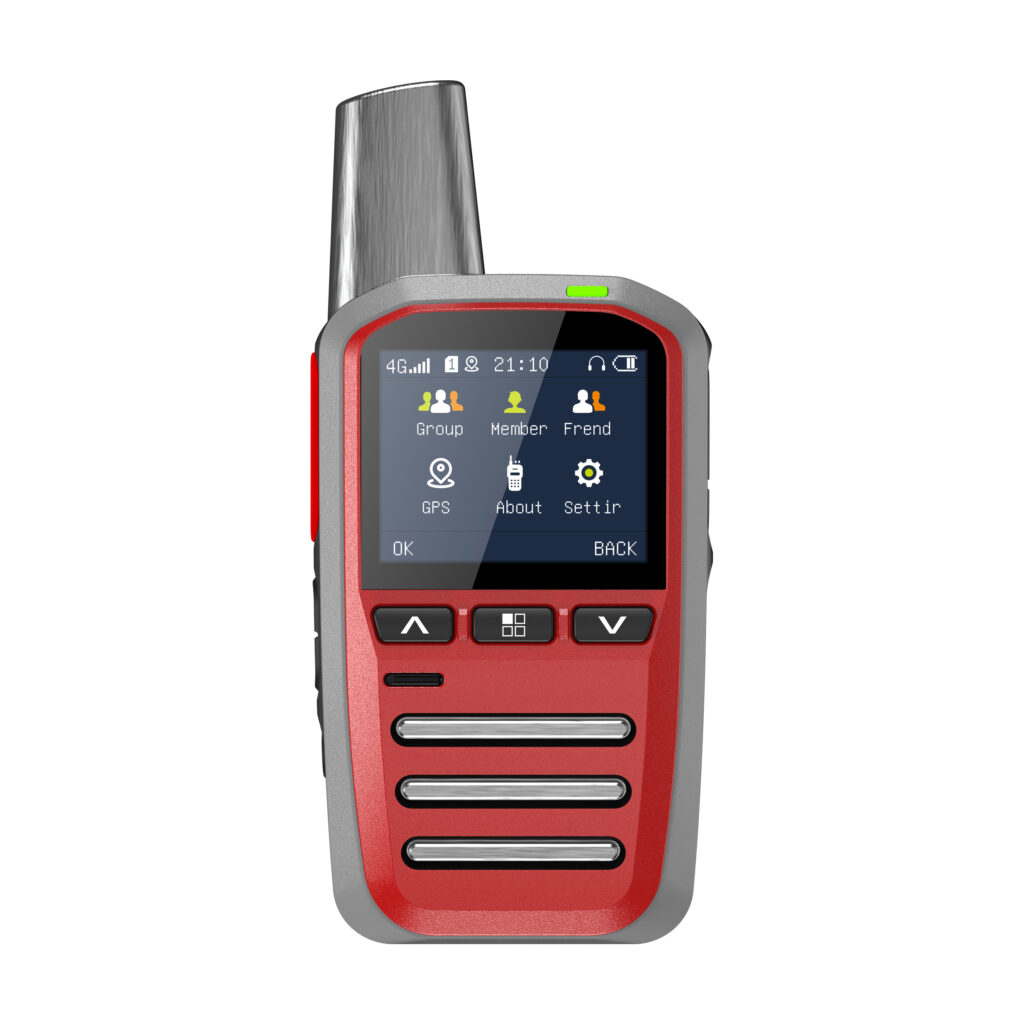
Common mistakes users make
Buying for headline specs instead of measured performance. Assuming IP65 equals waterproof for immersion. Overlooking firmware update policies and carrier relationships for PoC devices. Skipping interoperability tests with radios already on site. Relying on battery runtime from vendors without load-profile verification. Each mistake increases downtime or operational risk; a short acceptance test protocol fixes most issues.
Alternatives and when to use them
Analog UHF/VHF: simple, low cost, works without networks — choose when coverage is local and channels are clear. DMR: efficient spectral use and proven field radios — pick for private radio networks with long-term infra. LTE PoC: best for city-scale or multi-site ops needing voice, data and location; dependent on carrier. Hybrid: pair short-range radios for critical local comms with PoC for wide-area coordination.
Final synthesis and practical move
Choose radios by measured needs, not marketing. Run acceptance tests that include IP immersion, LTE handover, battery under load and group-call latency. Match device management to your operational discipline. For sealed hardware that integrates PoC features and meets these checks, GLOHE provides solutions that align with professional requirements without adding complexity.

