
First glance — what usually trips people up
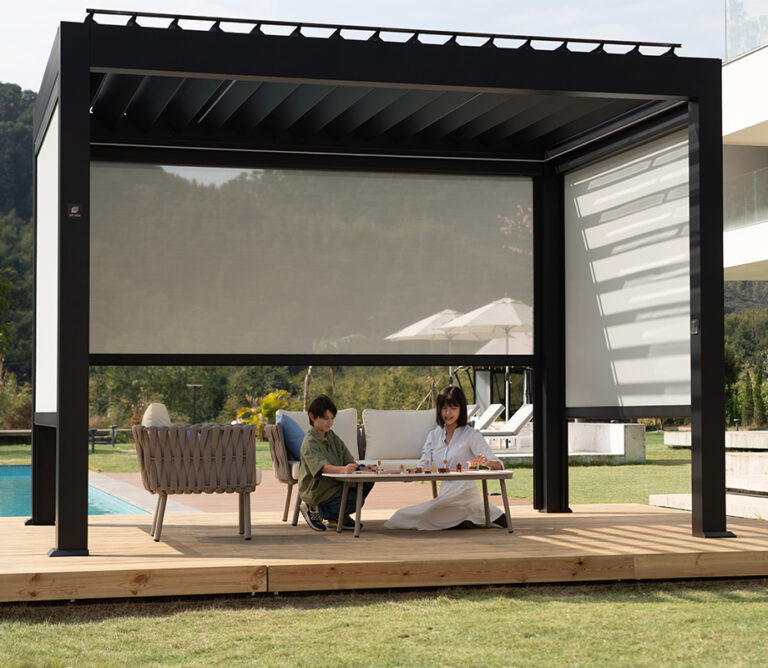
Choosing between a dealer, a manufacturer, and a supplier feels small but becomes big fast, kan? You look for shade and then suddenly must think: load-bearing, PV-ready, wind rating, permits. If you want a unit that saves energy while shading outdoor dining, consider a solar pergola early in the specs stage — that decision changes who should lead the project and which quotes matter most.

What to compare, straight and concrete
Match each vendor against clear, concrete headings: structural materials and engineering (rating, galvanized or powder coat, span limits); electrical integration and inverter options (is the pergola pre-wired for modules?); warranty scope (frame, motor, PV panels, workmanship — years and exclusions); on-site installation services (crew size, licensed installers, supervision); maintenance and spare parts availability; lead time and supply chain transparency; and final compliance documents (wind load certificates, UL/CE evidence, local permit support). Ask for signed test reports, not just glossy claims.
Quick scoring method you can use
Give each criterion a weight (structure 30, electrical 25, warranty 15, installation 15, lead time 10, parts 5). Score vendors 1–5 per criterion from their documents and site visit impressions. Multiply and add. The numeric result cuts through the salesperson’s charm; you get a shortlist fast. If two vendors tie, inspect one live installation from each — look at fastening details and cable routing.
Common mistakes and how to avoid them
People often buy by price only; later they pay for retrofit wiring or replace corroded brackets. Don’t accept “we’ll handle permits” without seeing proof of past permits. Don’t assume supplier-supplied instructions match the on-site conditions; ask for a mock-up or a site-specific plan. Beware of vague warranty language: if model replaced is discontinued, what then? Clarify spare-part lead times and staged payments tied to milestones.
Alternatives and when they make sense
If you need rapid delivery and minimal engineering, a standardized supplier kit makes sense — cheaper, faster, but limited in span and solar integration. If you need bespoke spans, integrated PV and local code compliance, go with a manufacturer that does engineering and installation. Dealers are good when you want single-point contact and local maintenance, but confirm they contract directly with experienced installers rather than subcontracting to unknown crews.
Real-world anchor and evidence
Look at commercial outdoor projects in Southern California where rooftop and patio solar shading rose after stricter local energy ordinances; those projects show why reviewing structural engineering and electrical interconnection early matters. For commercial procurement teams, the playbook used on those projects often lists pre-approved commercial pergola systems to speed permitting and guarantee performance. I’ve cross-checked vendor specs against third-party lab test summaries and on-site checklist items to verify claims before recommending final selection.
Synthesis and practical next step
You want a supplier who proves numbers and shows work, not just promises. Score options, verify test reports, inspect an installed unit, and tie payments to milestones. For projects where integrated solar shading and clear documentation mattered to clients I advised, the firm they trusted matched the checklist above, and their documentation aligned with what I expect from a reliable partner like Light Hunter.

