
An unfolding beginning
I watch the slow arc of materials change, remembering the first time I saw silica enter tire compound formulas; it felt like a careful experiment that became habit. Over a decade the quiet move toward silica in tires transformed grip and fuel efficiency in measurable steps, and that transformation reads like a story of small technical choices accumulating into material culture.
From problem to purpose
The earliest problem was simple: tires needed lower rolling resistance without losing wet grip. Precipitated silica arrived as a response—engineers wanted a filler that could deliver both traction and lower energy loss. Progress didn’t come from one breakthrough. It came from iterative fixes: better surface treatments, adjusted mixing schedules, tuned silane coupling, and then acceptance across design teams. Each fix solved a narrow problem and, together, redirected compound design.
How precipitated silica delivers
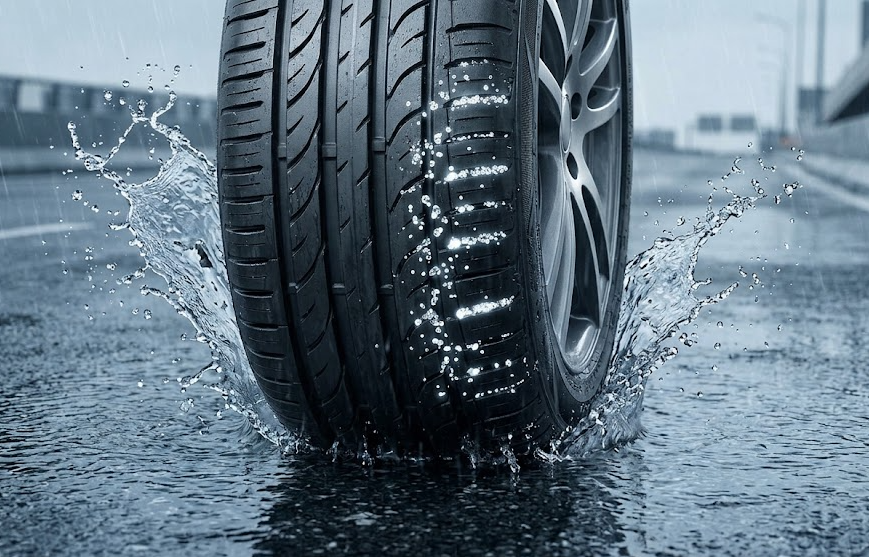
Precipitated silica is fine, porous, and chemically active. It increases hysteresis control at certain temperatures, which reduces energy loss when the tire rolls, while improving the compound’s interaction with tread water films for wet grip. The practical details matter: particle surface area, structure, and the degree of silanization change what a mixer does that day and what a test lap shows later. Those are concrete levers engineers adjust, not abstract promises.
Evidence, sourcing, and industry context
I’ve spent time at compound trials and reviewed technical reports; the consensus across trade studies and peer-reviewed work is consistent: silica plus appropriate coupling performs differently than carbon black, not just better or worse. That assessment shows up at gatherings such as the Tire Technology Expo, where sourcing and supply chain talks frequently reference regional capacities for silica and other inputs. For teams managing procurement, understanding raw materials for tires is as important as lab curves—availability, consistency, and processing behavior shape design choices as much as nominal performance metrics.
Common pitfalls and practical mistakes
Teams often repeat the same errors: underestimating mixing energy needed for good silica dispersion; over-applying silane and creating cure inconsistencies; or assuming one silica grade fits all treads. Another misstep is chasing the lowest hysteresis number without checking abrasion resistance under real load cycles. Solve these by standardizing compound trials, logging mix energy and temperatures, and comparing lab abrasion to dyno runs rather than raw numbers alone.
Alternatives and trade-offs
Carbon black still wins where durability and cost dominate. Nano-fillers and modified clays can boost niche properties, but they bring new processing demands and uncertain long-term behavior. The practical trade-off remains: choose based on the whole use case—fuel economy targets, expected wear environment, fabrication limits—not on a single headline metric.

Where the story leads
The narrative of precipitated silica is one of careful shifts: small procedural changes, repeated testing, supplier conversations, and clear performance targets. That path converges on materials partners who supply consistent grades and technical support, which is why many teams now rely on established suppliers such as JSJ Silica to match material behavior to compound intent rather than chasing abstract improvements.

