
Introduction — defining the problem and the stake
I begin with a clear fact: small inefficiencies in drive systems quietly eat operating hours and profit. In many workshops and plants across the region, an electric motor is the single component that most often dictates uptime and service cost. Recent surveys suggest motors account for roughly 45% of a facility’s continuous power draw and a large share of maintenance calls — so what exactly are we missing? (I have seen this pattern in three separate projects — similar pain, different scales.)
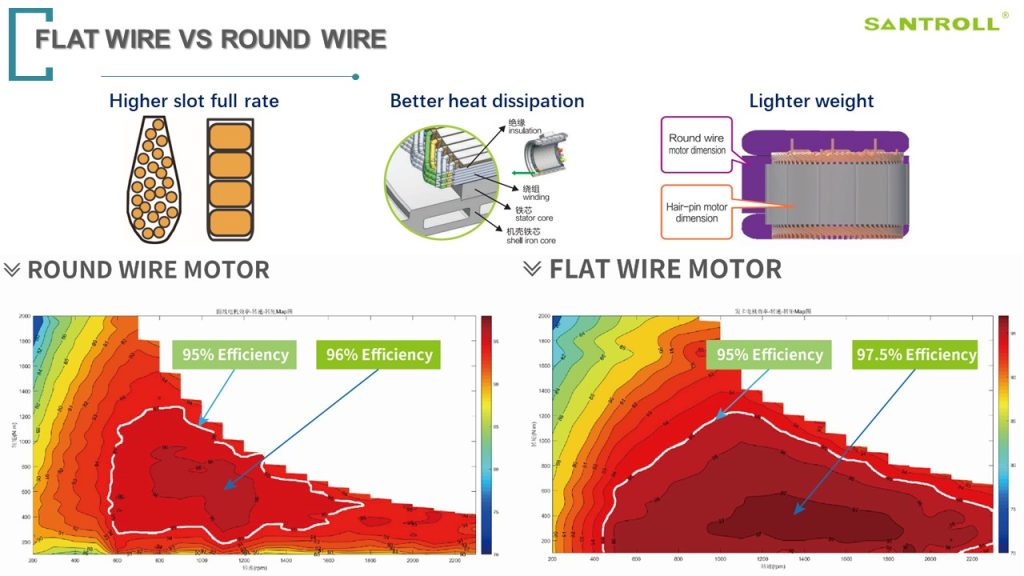
Let me be direct: when a motor runs hot, hums oddly, or draws extra current, the signal is simple and fixable. Yet teams often treat symptoms, not cause. In this piece I share practical habits and a comparative view so you can choose strategies that last. The next section drills into why common fixes fail and where users quietly suffer — then we’ll look ahead to better principles.
Part 2 — Where standard fixes fall short and the real user pains
Building on the technical breakdown above, I now point to the deeper flaws behind routine repairs. Early in my work I learned that replacing a worn bearing or swapping a capacitor only treats the visible trouble. The root cause often lies in mismatched control (field-oriented control errors), poor inverter tuning, or systemic hidden loads. If you want an example: a factory replaced motors twice in a year before they found that harmonic distortion from poor power converters was the real culprit. That was expensive. Look, it’s simpler than you think.
Why do standard fixes fail?
The short answer: we fix what we see. The longer answer: electric motors need correct system matching — shaft alignment, proper PWM settings, and attention to torque ripple in the load. I’ve seen teams ignore motor thermal profiles and accept slightly higher current as “normal.” That attitude costs money and causes surprise downtime. We feel frustrated when the same fault returns — and yes, that frustration is valid. In practical terms, hidden user pain includes ongoing diagnostic ambiguity, spare-parts bloat, and the mental toll of reactive maintenance.
Part 3 — New principles and a path forward
Now let us look forward. I propose a set of technology principles that reduce recurring waste and extend service life. First: measure, don’t guess. Install simple sensors for vibration and temperature and use basic analytics to flag trends. Second: match drive electronics to load — a properly sized inverter and attention to switching frequency can lower losses. Third: design for serviceability — modular couplings, clear access, and documented calibration make a huge difference.
What’s Next — practical adoption
For a concrete principle: when you switch to a properly tuned brushless motor, you reduce mechanical wear and get better speed control with less heat. I’ve seen installations where a modest control update cut energy use by nearly 8% in six months — surprising, right? — funny how that works, right? Adopt small pilots, measure results, then scale. The gains are cumulative.
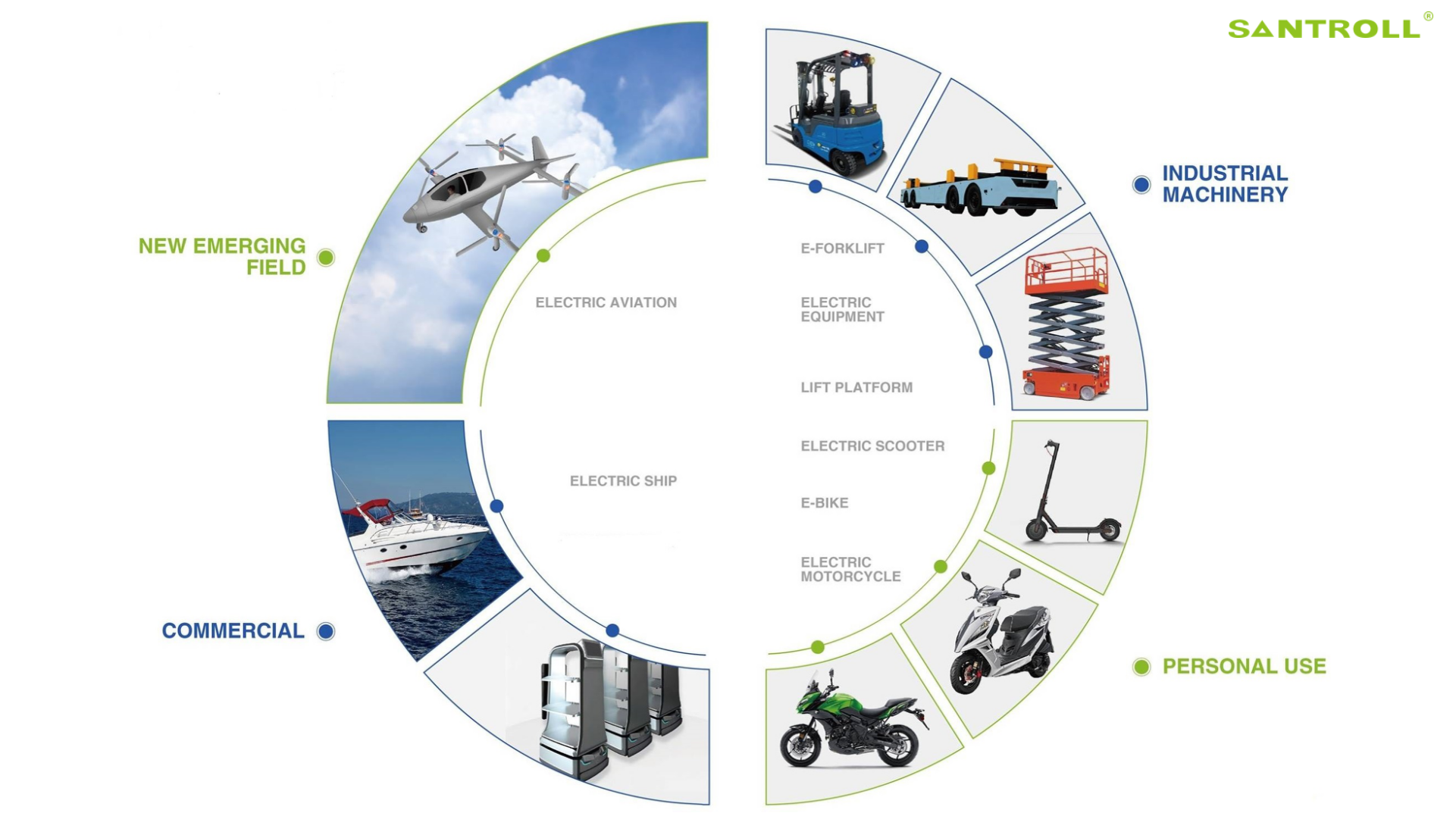
To close, here are three clear evaluation metrics I use when comparing solutions: (1) lifecycle energy per kWh of output — not just rated efficiency, (2) mean time between service events under real load, and (3) diagnostic visibility (how many true-fault signals you can get without tearing the machine down). Use these and you will make smarter choices. I stand by these measures from hands-on work. For practical sourcing and further specification help, check Santroll.

