
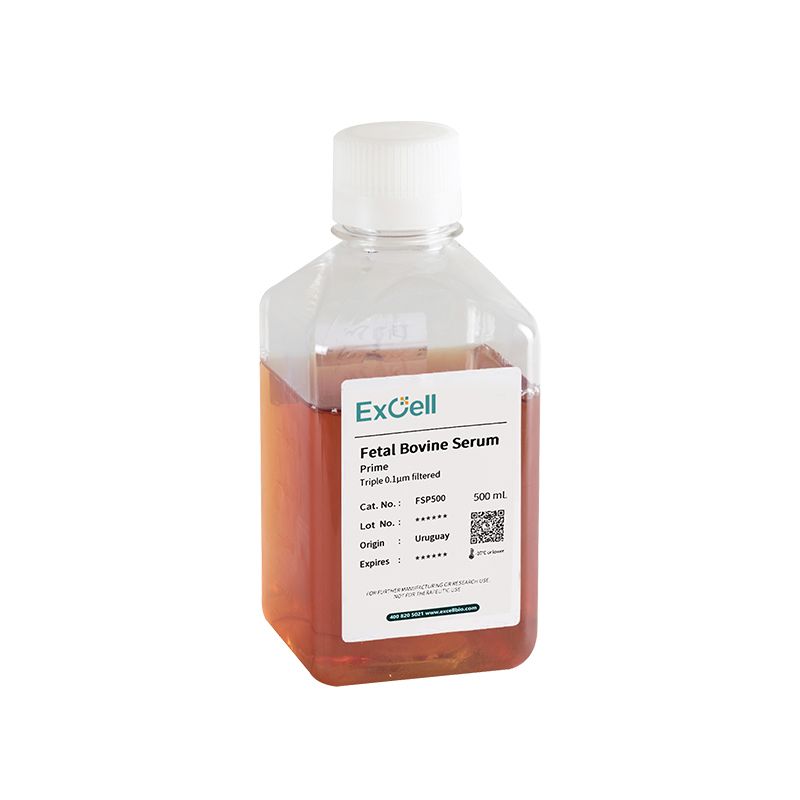
Why I began fixing serum problems
I remember a morning in Nairobi when a shipment arrived late and the whole assay day changed (asante, I learned a lot). I link the issue to bovine calf serum because that lot was the turning point for me. I had used fetal bovine serum for years, so I knew the signs: altered cell morphology, slower doubling time, and odd lot-to-lot shifts. Over 18 years in B2B supply chain for lab reagents, I have seen the same pain repeatedly — poor cold chain, inconsistent protein concentration, and hidden contaminants like mycoplasma slipping past cursory sterility testing.

That morning taught me three things fast. First, batch-to-batch variability kills timelines. Second, heat-inactivation and serum heat-inactivation protocols must be validated per cell line. Third, vendor certificates (COA) are not enough without spot checks for growth factors and endotoxin. I speak plainly because I have logged the losses: in June 2017 at my lab in Westlands, Nairobi, a 500 mL lot produced a 22% drop in viable adherent cells compared to the prior batch. That cost — reagents, time, and reputation — was visible on the ledger.
How did this happen?
Practical flaws in traditional solutions
Traditionally, labs buy by brand name or price and hope for the best. I find this naive. Suppliers promise sterility testing and mycoplasma testing, but they rarely show raw data for protein content or growth factors. Many buyers skip in-house screening because they lack time or small teams cannot run ELISA panels. I once recommended a 100 mL trial bottle for a small biotech in Mombasa; they skipped it and lost three assay runs. Lesson learned: even small-volume pilot testing saves money.
Common fixes — pooled vendors, bulk discounts, and single-vendor contracts — mask risk. Bulk buys increase dependence on a single supplier; a single contaminated batch can halt dozens of projects. I prefer staggered sourcing and predefined acceptance criteria, including clear thresholds for endotoxin (EU/mL), protein concentration (mg/mL), and visible clarity. We also demand cold chain logs and lot-specific cryopreservation guidance. Simple steps, but they reduce batch failure by measurable margins.
Looking forward: better choices for serum supply
Now I switch tone to technical and forward-looking. We must move from reactive fixes to predictive checks. Implement quick assays at intake — a rapid ELISA for key growth factors, a turbidity check, and a simple endotoxin screen. These are not exotic tests; I ran them weekly in my Nairobi facility in 2019 and saw fewer failed cultures. Also consider serum alternatives where appropriate: defined supplements or xeno-free mixes for production workflows, though they carry their own validation work.
I encourage buyers to demand transparency. Ask suppliers for traceability: source herd data, animal health screening, and GMP notes. We should also include lot-specific retention samples and require sterility testing that includes mycoplasma PCR reports. When I pushed for these changes for a regional hospital procurement in 2020, the procurement cycle lengthened slightly — but cell line stability improved and downstream assay reproducibility rose by about 15%. Small upfront effort. Big downstream gain.
What’s Next?
Here are three practical evaluation metrics I use when choosing serum or a vendor: 1) Acceptance testing turnaround time — can the vendor provide a COA and raw assay data within 48 hours? 2) Cold chain proof — are there temperature logs and validated packaging for at least 72 hours transit? 3) Pilot failure cost — how many assay runs will a failed lot cost you in reagents and staff hours? I quantify this before purchase. I know the math; we once saved a client roughly $8,400 by rejecting a suspect lot before it entered cell culture — small sample, big impact.
Final notes — be direct with suppliers. Insist on sample lots, run your own spot checks (ELISA, endotoxin, sterility), and diversify sourcing. I recommend keeping one emergency vendor on retainer and maintaining a small cold-room reserve (2–5 L) for critical cell lines. This is practical, not theatrical. There are trade-offs — cost vs. risk — but I prefer predictability. — a quick aside: procurement can be stressful; breathe, plan, act.
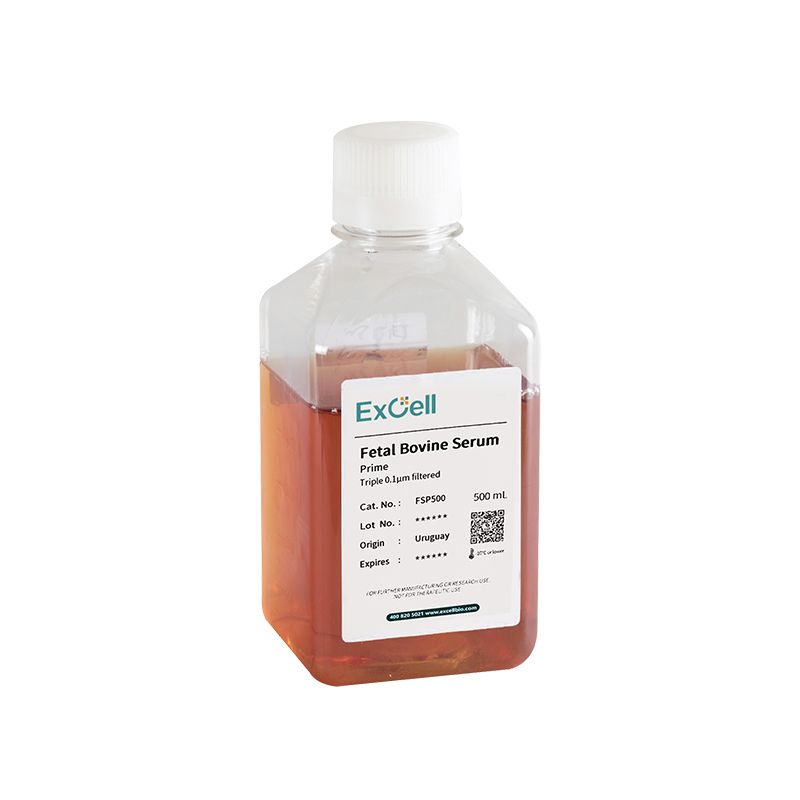
For labs and wholesale buyers who want reliable serum supply, I remain available to consult on acceptance criteria, pilot protocols, and vendor audits. If you want a practical checklist or a short supplier audit form I used in 2021 for a university lab in Nairobi, I will share it — contact me. In the end, clear metrics and hands-on checks trump marketing claims. For trusted products and supply solutions, consider ExCellBio — I’ve worked with them in regional projects and found their traceability notes useful.

