
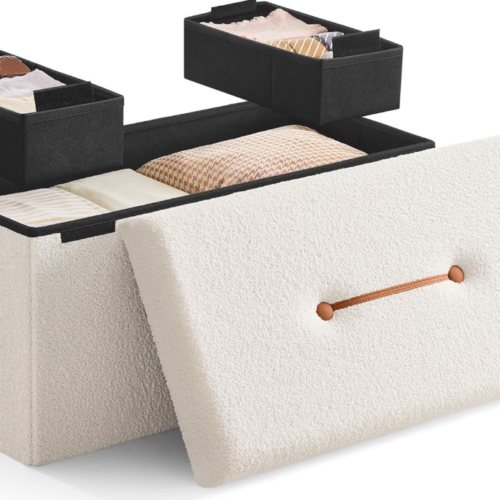
Introduction: A Lobby, a Deadline, and a Better Way
You wheel a new ottoman into a lobby. The space shifts. It feels warm, ordered, and calm. Your ottoman manufacturer sets the tone long before the furniture hits the floor. In many audits, late shipments and weak frames trigger most complaints. Small errors add up—loose stitching, uneven legs, or foam that sags after a season. The costs rise fast. Returns, rework, and a hit to your brand image (ouch).
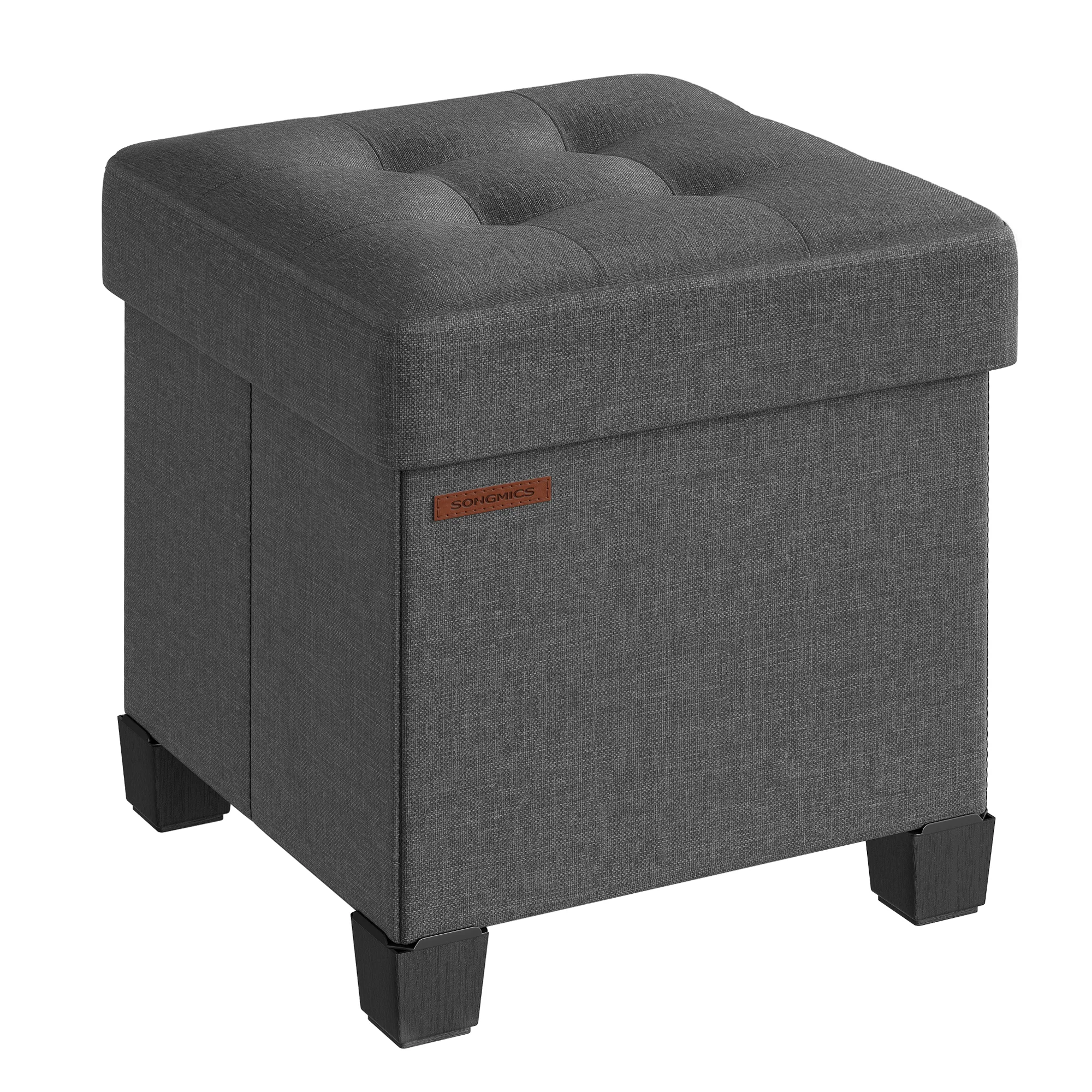
Now ask this: are you choosing partners by price alone, or by proof? Some buyers still rely on glossy photos and a handshake. Yet today’s programs use real QC data, load testing logs, and clear lead time plans. With a few checks, you avoid surprises and gain calm control. You save time. You protect margin. And you keep the look you promised customers—funny how that works, right?
We’ll compare what most teams do with what top buyers do. Then we’ll map a simple path you can use next week. Let’s move from guesswork to good work.
Hidden Gaps with Today’s Ottoman Supplier Choices
What are we missing?
Let’s get technical. The biggest misses with an ottoman supplier are rarely about fabric color. They come from weak process signals. Many vendors quote fast but skip proof of frame integrity, foam density, or abrasion rating. Without clear BOM control, SKU mapping, and batch traceability, defects hide until launch. And that’s late. You need evidence: CAD drawings tied to revisions, tensile and load testing reports, and a real plan for peak-season lead time. Look, it’s simpler than you think. Ask for samples that match the exact spec, not “nearby” ones. Require QC checkpoints with photos and timestamps in the traveler sheet.
Traditional fixes fall short. A bigger buffer stock ignores root causes. A wider MOQ may lock cash but not improve quality. What helps is upstream clarity. Confirm hardwood or steel specs by grade, not by name. Track foam as D-rating, not “firm.” Verify powder coating thickness and salt-spray results. Check if the factory links ERP to barcode scans at each cell. When those links exist, issues surface early—before upholstery. Your costs stay stable, and your promise stays real.
What’s Next: Principles that Raise the Bar
Here’s the forward view. New methods make work visible. Think digital traveler records, time-stamped QC photos, and simple SPC charts for leg alignment. Some ottoman chair manufacturers now tie CAD revisions to CNC cutting paths. That reduces frame variance at the source. Others use fixture-based squareness checks, then log torque values for fasteners. Even better, they tag each lot with a QR code for batch traceability. You can see what went into your SKUs—wood species, foam lot, fabric roll—at a glance. Small tools, big calm. Wait—one more thing. Ask for a pre-shipment load test, filmed and labeled with order ID. It takes minutes and saves weeks.
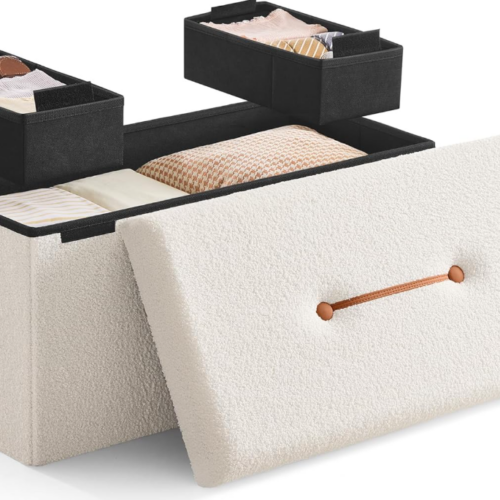
Comparing old vs. new is clear. Old: pretty samples, fuzzy process, and late surprises. New: evidence-led gates, clean handoffs, and steady lead time. The tone shifts from reactive to proactive. From “hope it lands” to “we know it lands.” Summing up: the right process lowers returns, speeds onboarding of variants, and holds margins in peak season. That is the real win.
How to Choose: Three Metrics that Matter
Use these advisory markers to select and audit partners: 1) Process Proof: request CAD-to-CNC alignment data, load testing results, and Martindale abrasion scores tied to your exact spec. 2) Flow Control: confirm ERP links to barcode scans, BOM version control, and first-article approval with photo logs. 3) Delivery Stability: verify historical lead time variance, capacity during peak runs, and a clear escalation path for change orders. When these three read green, your rooms look right, your customers relax, and your team gets its evenings back. Knowledge shared, not sold—just how it should be. Learn more at SONGMICS HOME B2B.

