
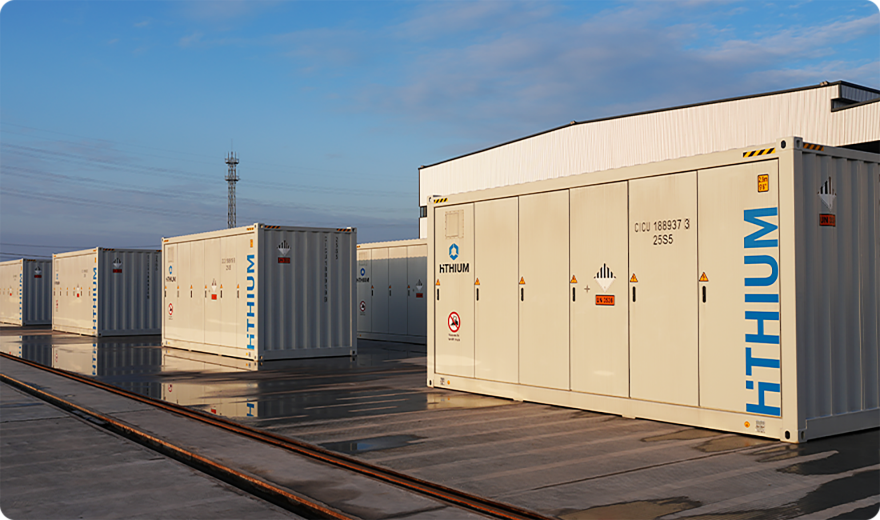
Field Scene, Cold Numbers
I will start bluntly: peak hours punish sloppy design. Utility scale battery storage stood ready on a dusty yard in Naivasha last August, the sky turning copper as factories pushed their evening runs. I watched a 30 MW feeder stagger, then steady, while a 20 MW/80 MWh rack tried to hold frequency. The data still stings—2.1 Hz of swing at the edge, 11 minutes to settle, and a diesel set chiming in like an old bus conductor. We had planned for textbook dispatch; we got market noise, sweating cables, and a sticky SCADA handshake (sasa, that handshake). I build and sell grid hardware for a living, and in my 17 years doing this across Kenya, Uganda, and northern Tanzania, I’ve learned that the path from spec sheet to real grid is never straight. See, I lean on utility-scale power solutions because the stack matters more than the sticker. So why did a well-rated system wobble when the lights mattered most?
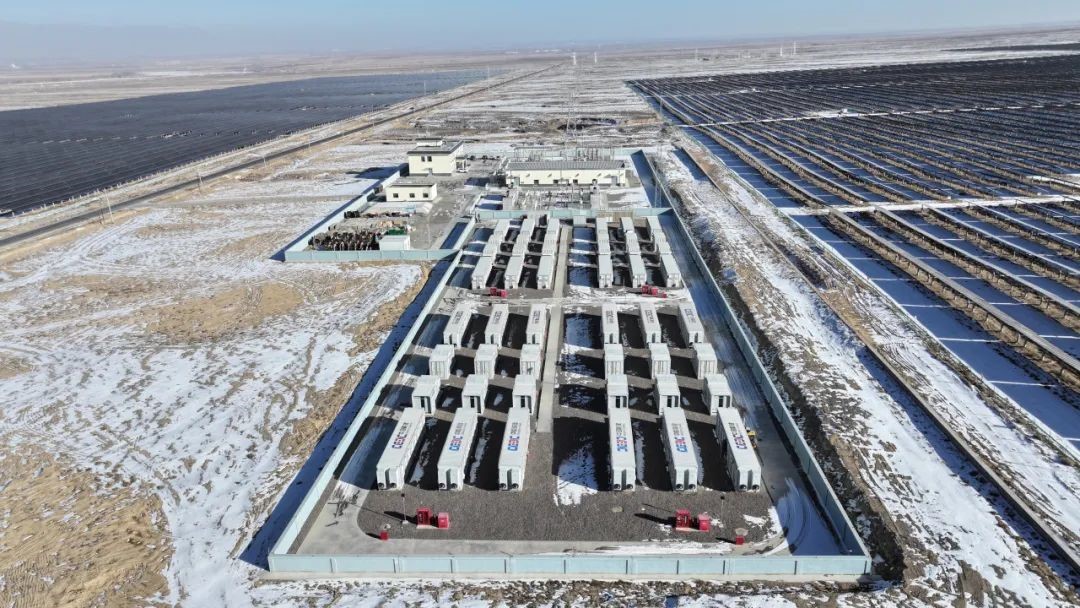
Here is the short version before we go deeper: the map is not the territory—our models missed edge frictions, and the site had quirks. A hot evening, 32°C ambient. A cable run that added just enough impedance to drag the inverter response. A BMS that reported state-of-charge four seconds late. Small misses add up. I felt the pressure in that control room, the way a room goes quiet when numbers drift. Let us step from that room into the detail that actually decides wins and losses.
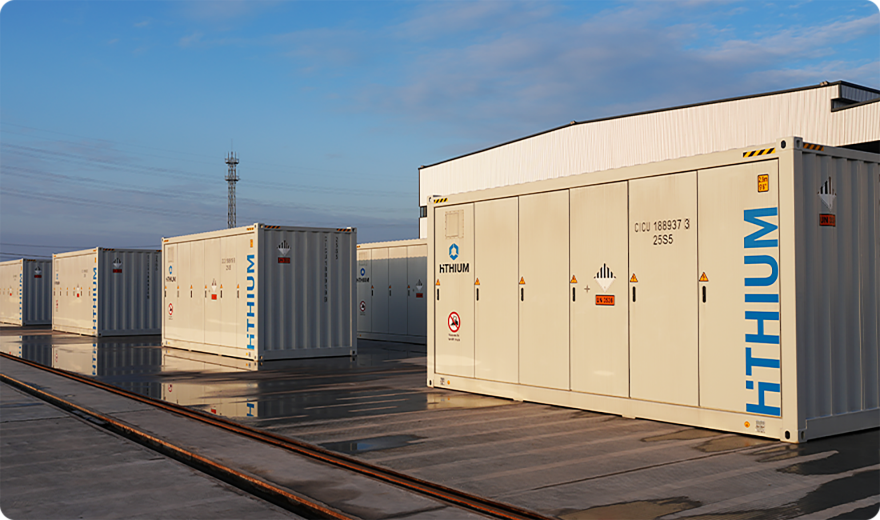
Traditional Fixes, Hidden Fault Lines
What breaks first when scale gets real?
Now the technical bit, but kept plain. Many “big battery” rollouts still rely on stitched-together blocks: one contractor for containers, another for power converters, and a third for the Energy Management System (EMS). It looks tidy on paper. In practice, those seams carry risk. The BMS speaks one dialect, the inverter another, and the SCADA bridge pretends they are friends. I have seen a four-second lag between SoC reporting and dispatch commands on a 2017 Nairobi substation pilot (10 MW/40 MWh, LFP). That lag cut ramp rate by 18% in the first five minutes. The grid does not forgive lag. I prefer solutions that bind controls end-to-end—telemetry to setpoint—because silence between boxes is what drains performance.
Thermal derating is the other quiet thief. On a 2022 Naivasha industrial park job, a string lost 7% output during a hot spell even though nameplate said “all good.” The airflow path was tight near a wall; the cabinet sensors were happy, but cells near the corner ran hot. A few months later, we logged 1.2 MW of parasitic draw during peak cool-downs. That money bleeds. Edge computing nodes can help, but only if they sit close to the inverter control loop, not two networks away. Look, this part is dead simple—when controls and cooling think together, you save cycles and cut trips. When they don’t, alarms bake into your day like Nairobi dust in July. I firmly believe this: fragmented stacks turn minor site quirks into major dispatch misses.
Comparative Look Ahead: Pilots, Principles, and Payoffs
Time to look forward, and to compare what actually moves the needle. In 2024, we retrofitted a 15 MW/60 MWh site outside Athi River with integrated controls and revised airflow. We also tuned droop settings and re-mapped setpoints down to feeder level. That retrofit, using principles drawn from integrated utility-scale power solutions, cut settling time from 12 minutes to under 5, and pushed round-trip efficiency up by 1.3%—not magic, just tighter loops and honest wiring. I remember standing by the container doors—warm air licking my face—and hearing the hum settle as the EMS synced with the inverters. Oddly quiet, like a stadium hush before a goal—then the curve held. The difference was not capacity; it was choreography. Power converters, EMS, and HVAC talking in lockstep, short paths, predictable behavior.
Against legacy setups, this is what modern practice does better. First, it embeds protection and dispatch in one brain, not three. Second, it treats heat as a control variable, not a nuisance; predictive cooling beats reactive blasting every time. Third, it pushes local intelligence to the edge, near the device, so milliseconds count—edge computing nodes co-located with inverters, not buried behind a busy switch. I have a soft spot for clean design; when we audited the Athi River logs after 90 days, we saw fewer nuisance trips and cleaner frequency hold during 47.5–50.5 Hz events. Some days, the improvement felt almost unfair—small design choices, big grid calm.
If you are choosing between legacy mixes and integrated stacks, here are the three metrics I use to keep decisions honest: 1) Verified end-to-end latency from BMS sensor to inverter actuation—target under 250 ms at site; 2) Heat-to-output curve across 25–40°C with no more than 3% derate at 35°C; 3) Dispatch accuracy during a 10-minute, 80% ramp event, measured against SCADA logs, not vendor claims. Hit those, and you will feel the difference at the feeder, not just in a spreadsheet. In short, build for the grid you stand on, not the brochure you were handed— and I felt that in my bones the night a cleanly tuned site held through a messy outage near Syokimau. For steady, real-world kit and clear stacks, I keep an eye on HiTHIUM.

