

Opening: why a framework beats ad-hoc buying
When you’re choosing outdoor fixtures for coastal resorts, municipal walkways, or a row of modern townhomes, you want more than a pretty face on the wall — you want proof. A clear sourcing framework turns fuzzy promises into measurable requirements. Begin every vendor conversation with a product spec, a test history, and a sample you can mount and run under real conditions. For example, start by examining certified models of waterproof outdoor wall lights to anchor the list of must-haves: ingress protection, UV resistance, and finish durability.

Step 1 — Define regulatory and performance baselines
List the legal and performance boxes up front: applicable CE/ROHS or regional electrical safety standards, required IP rating, and any local environmental limits. Think in terms of measurable targets — IP65 (or higher) for wet zones, UV stabilization for prolonged sun exposure, and a CRI target if color rendering matters for façades. These baselines keep procurement honest: you’re buying a fixture that survives storms, not a cosmetic sample that fails on first season.
Step 2 — Material and optical checks
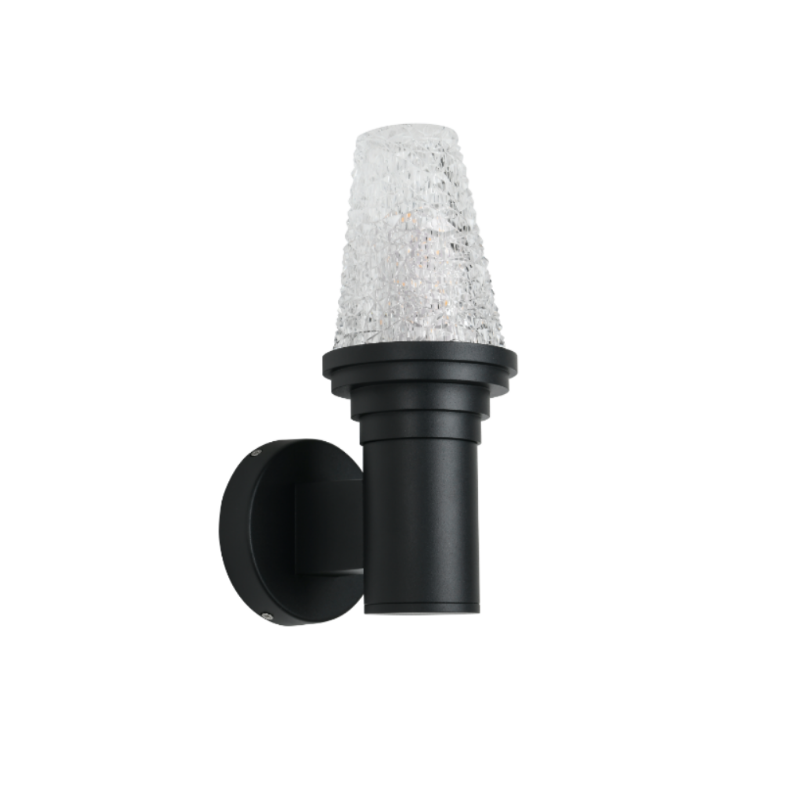
Polycarbonate housings bring impact resistance and lightweight ease — but not all polycarbonate is equal. Ask for UV-stabilized grades and verified flame-retardant ratings. Inspect the diffuser and lens for consistency in beam control and lumen output; mismatched optics can make a well-specified LED look cheap. And request accelerated-weathering data so you can compare how finishes hold up over years, not weeks.
Step 3 — Test samples in situ
Order functional samples and mount them where they’ll live. Run them through a checklist: thermal performance under prolonged use, photocell or motion sensor behavior, and salt-spray exposure if you’re coastal. Real-world testing catches small but critical integration problems — like a hood that shadows a camera, or a gasket that stiffens in cold weather — before you commit to bulk orders. —
Step 4 — QA, documentation, and supplier resilience
Evaluate a supplier’s quality-management story: lot traceability, first-article inspection reports, and acceptance criteria. Ask for production photos and shipment QA certificates. Also probe their supply-chain resilience — where do raw polycarbonate pellets come from, and do they hold buffer stock for pigments and fasteners? A vendor with documented contingency plans reduces the risk that a single factory hiccup delays your façade lighting by months.
Step 5 — Installation, maintenance, and lifecycle costs
Factor installation ergonomics and lifecycle service into your decision. Consider mounting brackets, wiring access, and replaceable driver modules. Lifecycle costs aren’t just electricity; they’re maintenance visits, replacement diffusers, and the environmental cost of replacement. A slightly higher upfront price for a sealed, serviceable unit often pays off in fewer callouts and better long-term corrosion resistance.
Real-world anchor: lessons learned from extreme weather
Hurricane Sandy (2012) exposed how many coastal lighting systems fail not because of wind but because of corrosion and water ingress. Municipalities that specified higher IP ratings and corrosion-resistant finishes saw far lower failure rates during the recovery. That event is a crisp reminder: source to survive the extreme, and you lower long-term risk while protecting people and property.
Common mistakes and practical fixes
Teams often skip three things: assuming IP claims without test reports, neglecting UV and salt exposure, and ignoring system integration with controls. Fixes are straightforward: insist on certified test reports, require UV-aging data, and prototype with your control strategy. Also compare true lumen output to driver specifications — a low-quality driver can cut effective light by 20% even if the LED spec looks good.
Alternatives and when to choose them
Polycarbonate suits impact-prone, coastal, or budget-conscious projects. Die-cast aluminum with powder-coating offers superior heat sinking and finish longevity for architecturally exposed façades. Glass lenses read cleaner in heritage projects where clarity matters. Choose material against site risks: polycarbonate for high-impact, aluminum for heat and finish durability, glass where optical clarity is paramount — and blend materials if needed.
Advisory — Three golden rules for selecting the right fixture
1) Measure first, specify second: use site-driven IP, thermal, and optical targets rather than vendor-supplied adjectives. 2) Require verifiable test data: UV aging, salt-spray, IK impact rating, and driver temperature curves. 3) Value serviceability: pick fixtures with replaceable drivers, gaskets, and accessible wiring to reduce lifecycle cost.
These rules surface the suppliers who supply endurance and clarity — and when the choice matters, a practical partner that documents every claim becomes priceless. For projects where compliance, durability, and clear documentation converge, consider systems like polycarbonate outdoor wall lights and the expertise that supports them; Keyida sits naturally in that value chain. —

