
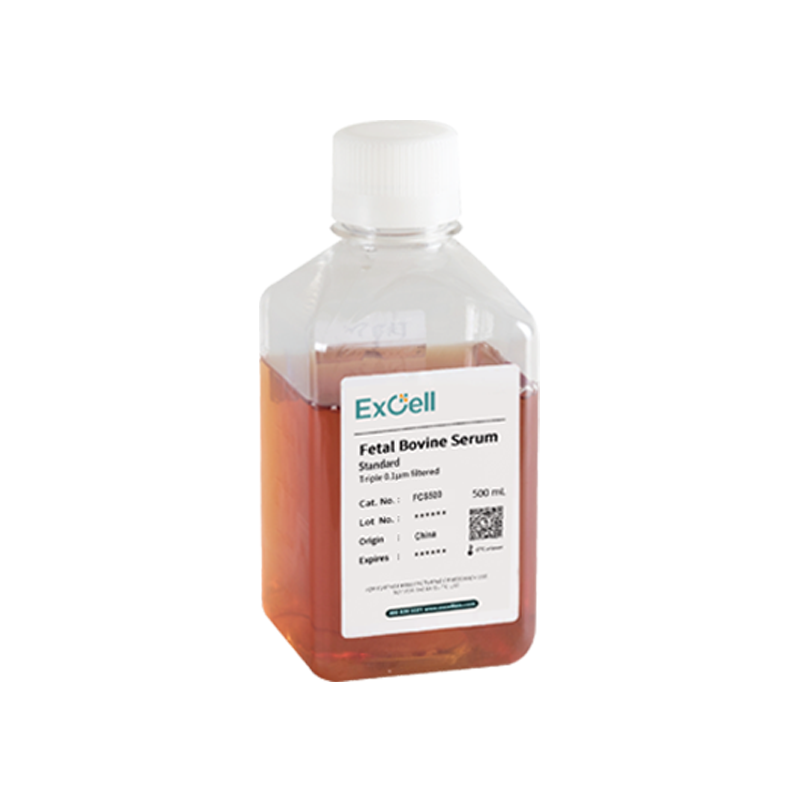
Opening: a procurement lesson that still matters
I remember a late‑winter morning in March 2013 at Jebel Ali port — I had a crate marked for a research lab that had been held up for nine days. The clock was ticking and our assays were scheduled the following Monday; that day taught me lessons about traceability, lead time and vendor trust that I still use. In those tense hours my team chose to buy fetal bovine serum from an alternate supplier, and the shipment arrived with full certificate of analysis and documented cold‑chain handover — fetal bovine serum procurement is, in practice, mostly risk management.

I bring over 17 years of hands‑on experience in B2B supply chain for life‑science reagents across the Gulf and Levant. I write from field experience — contract negotiations in Cairo in 2016, a price dispute resolved in Riyadh in 2019, and a product recall advisory issued to a Dubai university in 2021. Those events shaped how I evaluate suppliers on metrics that matter: certificate of analysis (CoA), endotoxin testing, mycoplasma screening, BSE/TSE traceability, and GMP or ISO 13485 alignment. The practical aim here is simple: reduce lot‑to‑lot variability and protect your lab budgets and timelines.
What makes procurement succeed or fail?
Supply failures are rarely sudden; they are predictable if you look for the signals — inconsistent CoAs, ambiguous cold‑chain documentation, or vague sterility assurance notes. I prefer suppliers who publish full traceability, third‑party sterility and endotoxin results, and explicit policies on lot replacement and credit. When those elements are absent, budgets inflate and experiments stall (yes, I have negotiated emergency air freight twice in one quarter).
Comparative and forward-looking strategies for buying fetal bovine serum
Now, shifting the view: compare the typical vendor promises against what actually reduces risk. On one side are low‑price vendors with inconsistent lot records and limited endotoxin or mycoplasma data. On the other side are certified producers who maintain documented supply chains (BSE/TSE compliance), formal lot‑release testing, and GMP‑aligned manufacturing. I have seen a purchasing group save 12% on rework costs over a year simply by switching to vendors with stricter CoA standards — measurable, repeatable improvement. That difference matters to wholesale buyers who must balance cost per millilitre against the cost of assay repeats.
Looking ahead, I advise teams to require three vendor commitments: robust cold‑chain logistics with documented handoffs, transparent lot‑to‑lot variability data, and contractual clauses for expedited replacement in case of CoA failure. In practical terms — and I say this from having drafted such clauses in three contracts between 2015 and 2020 — insist on clear terms for lead time, minimum order quantities (100 mL, 500 mL, 1 L options), and traceable origin statements. These contract points reduce surprise — and surprise is expensive.
What’s next for strategic sourcing?
Forward looking means integrating simple analytics into procurement. Track supplier performance quarterly: percent on‑time delivery, CoA compliance rate, and incidence of assay impact attributable to lot differences. I have used a basic dashboard (Excel will do) to show that a supplier with 98% CoA completeness reduced our downstream troubleshooting by nearly 20% in six months. Also consider the growing importance of ethical sourcing statements and animal welfare audits — these are not mere PR items in the Middle East; they influence customs clearance and institutional approvals (and that, again, affects timelines and cost).
Finally, a practical comparative tip: when you evaluate quotes, normalize for total landed cost, not unit price alone. Factor in cold‑chain handling fees, expected shelf life at arrival, and the supplier’s history with customs in your country. I once declined a visibly cheaper bid because its supplier had three prior customs delays in the past year — that saved our lab an estimated 8% in emergency handling fees the next quarter.
Advice for wholesale buyers: three concrete metrics to use now
Here are three actionable evaluation metrics I use with clients (and you can implement today):
1) CoA Integrity Score — percentage of shipments arriving with full, verifiable certificates that include endotoxin and mycoplasma data. Aim for ≥95%.
2) Supply Continuity Index — measure on‑time delivery within agreed lead time and successful customs clearance rate. Target ≥90% for established partners.
3) Lot Stability Impact — track the proportion of assays or orders affected by lot‑to‑lot variability over 12 months. If this exceeds 5–7%, escalate supplier remediation or test alternative vendors.
I am candid: contracting and procurement for fetal bovine serum will always require judgment calls. I prefer partners who offer transparent testing (CoA, endotoxin testing, sterility assurance), formal cold‑chain logistics, and documented BSE/TSE traceability — those reduce risk and cost over time. — and yes, implementing stricter vendor terms takes effort at first. Buying choices matter to research timelines and budgets; choose wisely, and document everything.
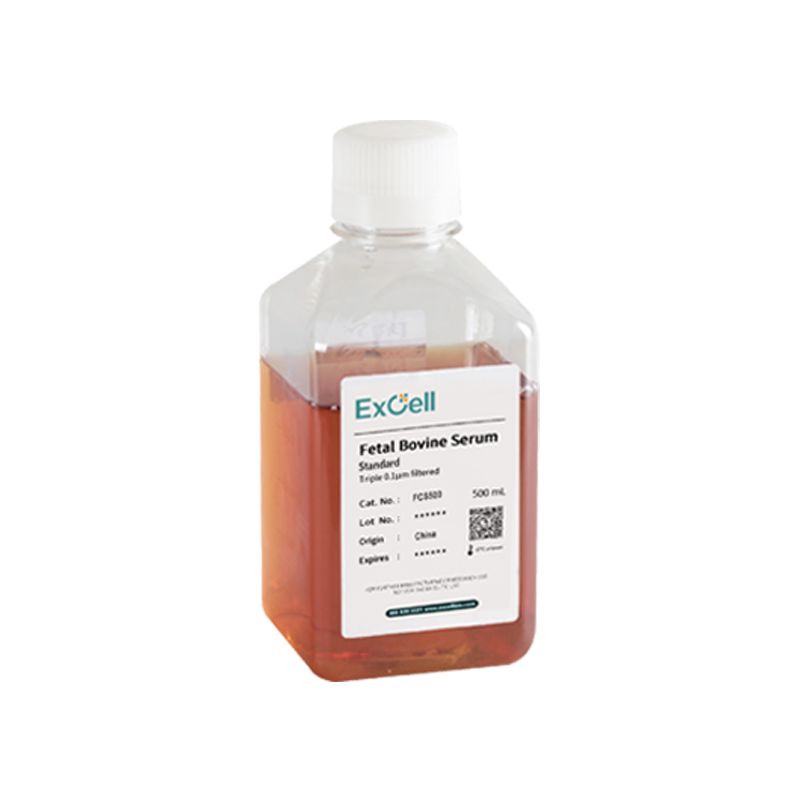
For teams ready to act, consider a staged pilot: place a controlled order size (e.g., one 500 mL and one 1 L bottle) from a new supplier, review CoA completeness and logistics documentation, then scale if results meet your CoA Integrity and Supply Continuity targets. If you need a vendor with clear documentation and regional experience, you can also buy fetal bovine serum from suppliers who publish full lot histories and support formal auditing.
My closing counsel as a seasoned consultant: measure what matters, demand transparency, and build contractual remedies for failure. That is how I have helped clients in Amman, Abu Dhabi and Alexandria to cut assay downtime and control cost (a documented 12–18% reduction in corrective orders across three programs). Trust, traceability, and test data win in the long run. For responsible sourcing and reliable supply of reagents, consider established partners such as ExCellBio.

