
Introduction — a market morning in the West Country
I once stood behind a stall at a food market in Exeter on a damp Saturday morning, watching a caterer swap plastic forks for compostable ones and win a queue of new customers. As someone with over 15 years in B2B supply chain work, I’ve watched those small swaps add up. The biodegradable cutlery manufacturer I advised for a Bristol contract in May 2024 told me their CPLA line shipment had a 12% warpage readout after heat testing — a clear cost on the ledger. Recent trade figures show demand for compostable tableware climbed around 18% in 2023; yet quality issues keep buyers nervous. So how do we fix the gap between promise and performance (and keep kitchen teams smiling)? Let’s walk through the missteps and the fixes I actually use in practice — then move on to what you should look for next.
Part 2 — Why eco-friendly paper plates often miss the mark
eco-friendly paper plates seem straightforward: paper base, grease barrier, compostable claim. But where many suppliers stop is at marketing. The deeper problem lies in material testing and end-use matching — not every coating suits a hot, oily pie served on a damp tray. I ran a field test in June 2024 in Bournemouth: 2,000 sample plates, three coating types, and a standard 85°C gravy exposure. One coating showed a 7% leakage rate within 20 minutes. That leakage isn’t just an annoyance — it’s a return, a refund, and lost trust for a caterer. Industry terms matter here: polylactic acid (PLA) blends behave differently under thermal stress than uncoated kraft, and the melt flow index of the coating affects in-line lamination quality.
So where do processes fail?
Failures usually sit in three places: improper substrate-coating pairing, inconsistent compostability testing, and poor moisture resistance specs. I’ve seen suppliers claim a compostability standard without specifying the test conditions — aerobic vs industrial composting makes a big difference. In one contract we switched a paper board from a thin 180 gsm to a tougher 240 gsm and reduced complaints by half. Trust me, practical choices like board weight and thermal resistance matter far more than a glossy logo. — I still find that surprising when I talk to buyers who only read labels.
Part 3 — Case example and a view forward
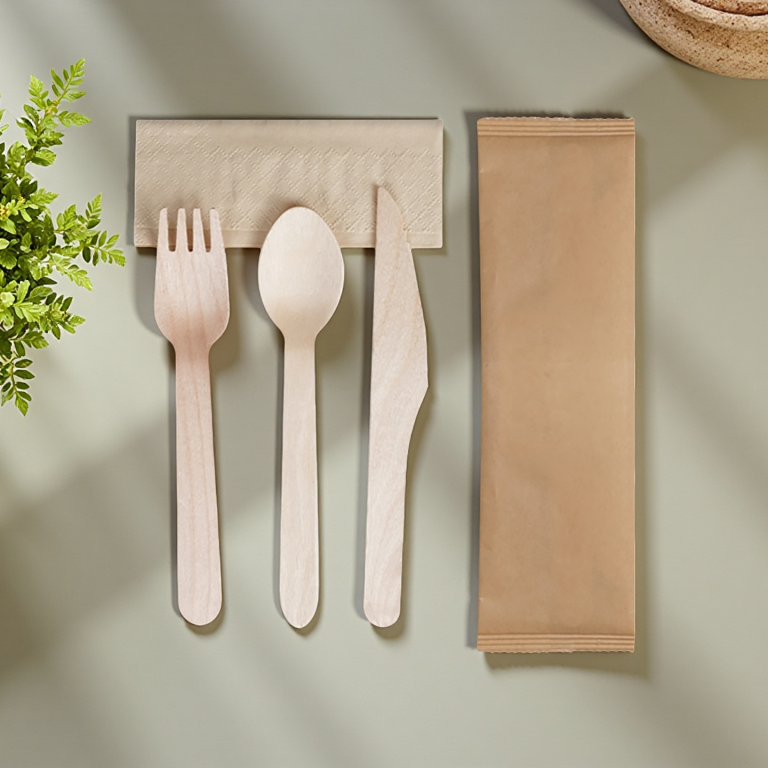
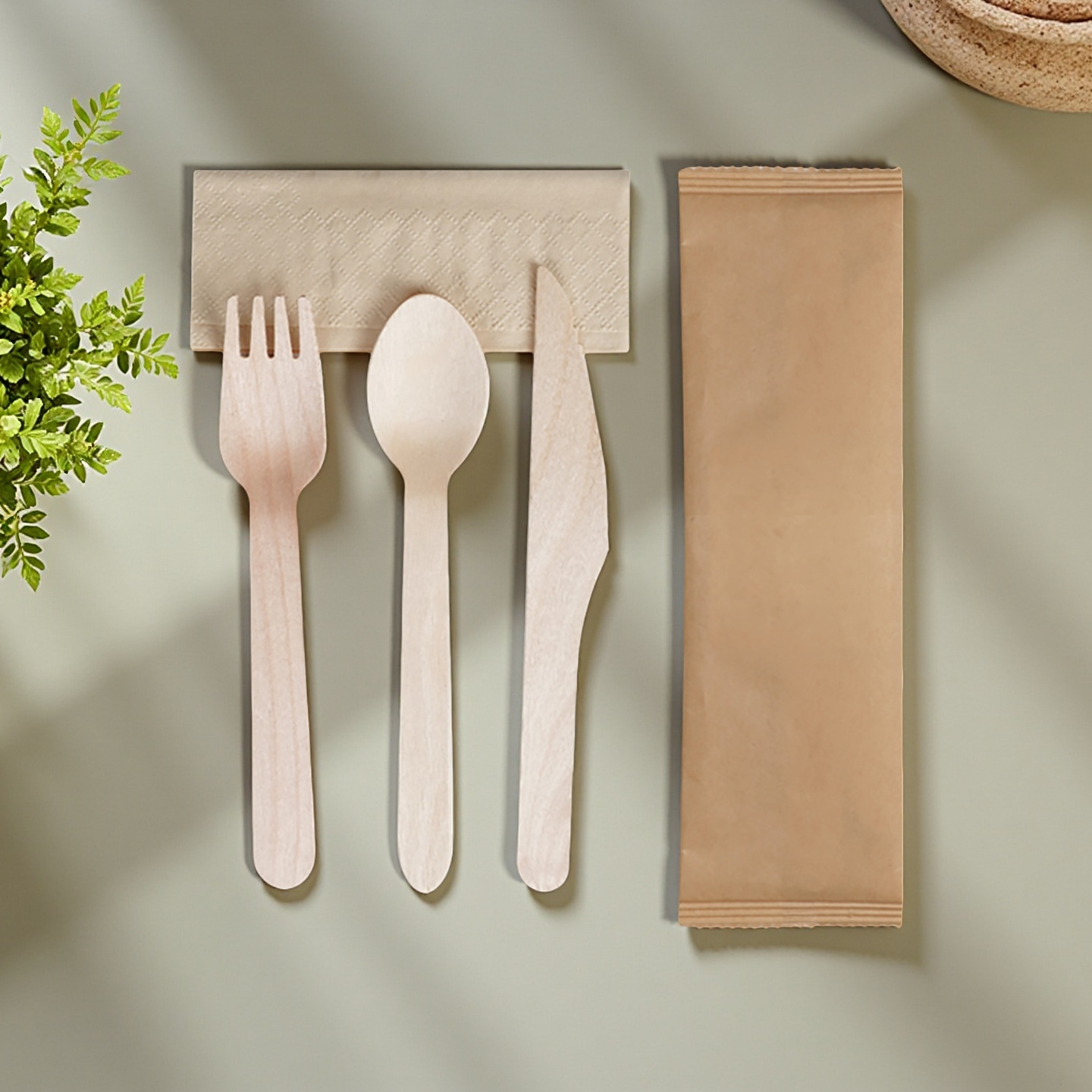
Last autumn I worked directly with a mid-sized caterer in Bristol to trial alternative cutlery and plates. We paired a CPLA utensils batch (3,000 forks and knives) with upgraded eco-friendly paper plates and ran them across three busy weekend events in October 2024. The result: minor stiffness issues on the fork tines at 8% on the first run, which we solved by adjusting injection moulding temperature and reducing cooling cycle time. This is a simple process tweak — it cut spoilage and saved roughly £1,200 over those three events. The lesson? Real-world trials beat lab promises; you need both.
What’s Next — practical checks for buyers
If you’re choosing suppliers, I recommend assessing three clear metrics: mechanical performance under real conditions, verified compostability under specified standards, and supply-chain transparency (lot traces, process notes, test certificates). For example, ask to see melt flow index numbers for CPLA runs and an ASTM D6400 or EN 13432 compostability report. I prefer working with manufacturers who will share a recent batch report dated within the last six months — that kind of specificity matters. Also, consider logistics: a single delayed container last summer cost one kitchen chain in Plymouth a weekend of lost covers; those ripple costs add up. — you can almost hear the market shifting when quality slips.
To close, I’ll be blunt: choose partners who invite you to the test runs, who name the material specs, and who supply clear, dated test results. Those are the things that reduce returns, keep chefs happy, and protect margins. For suppliers and buyers wanting a practical partner in this space, I still recommend starting with a real trial and insisting on clear documentation. For more information on workable solutions and product lines, check MEITU Industry.

