
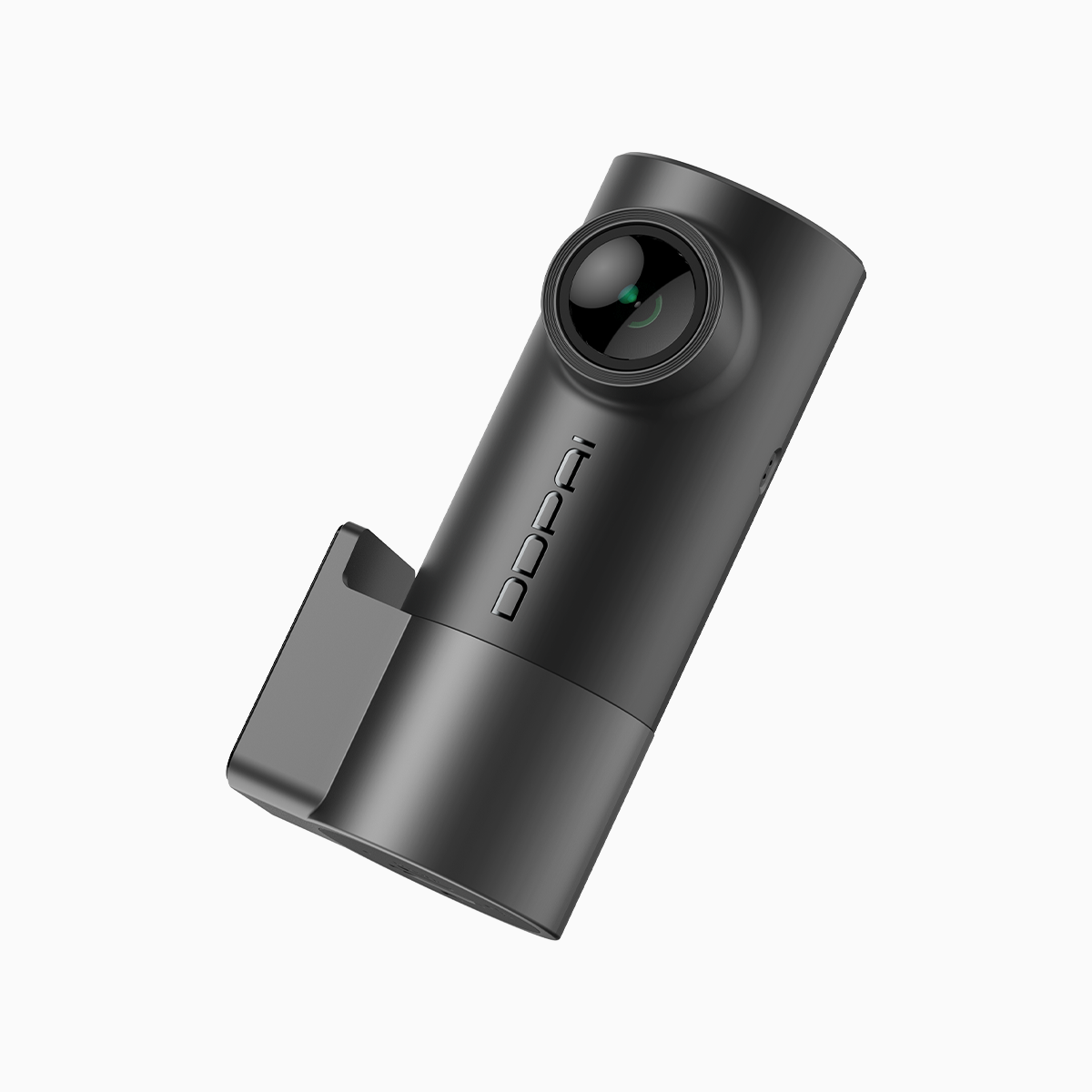
Quick comparison to start
I’ll keep it straightforward: a compact mini dash cam today often promises two different kinds of value — long, reliable parking coverage with time‑lapse and event-focused safety with AI driving assists. Both matter, but they solve different problems. Think of one as a nightwatcher and the other as a smart copilot for daytime driving. This piece compares those roles so you can pick the best balance for your needs.
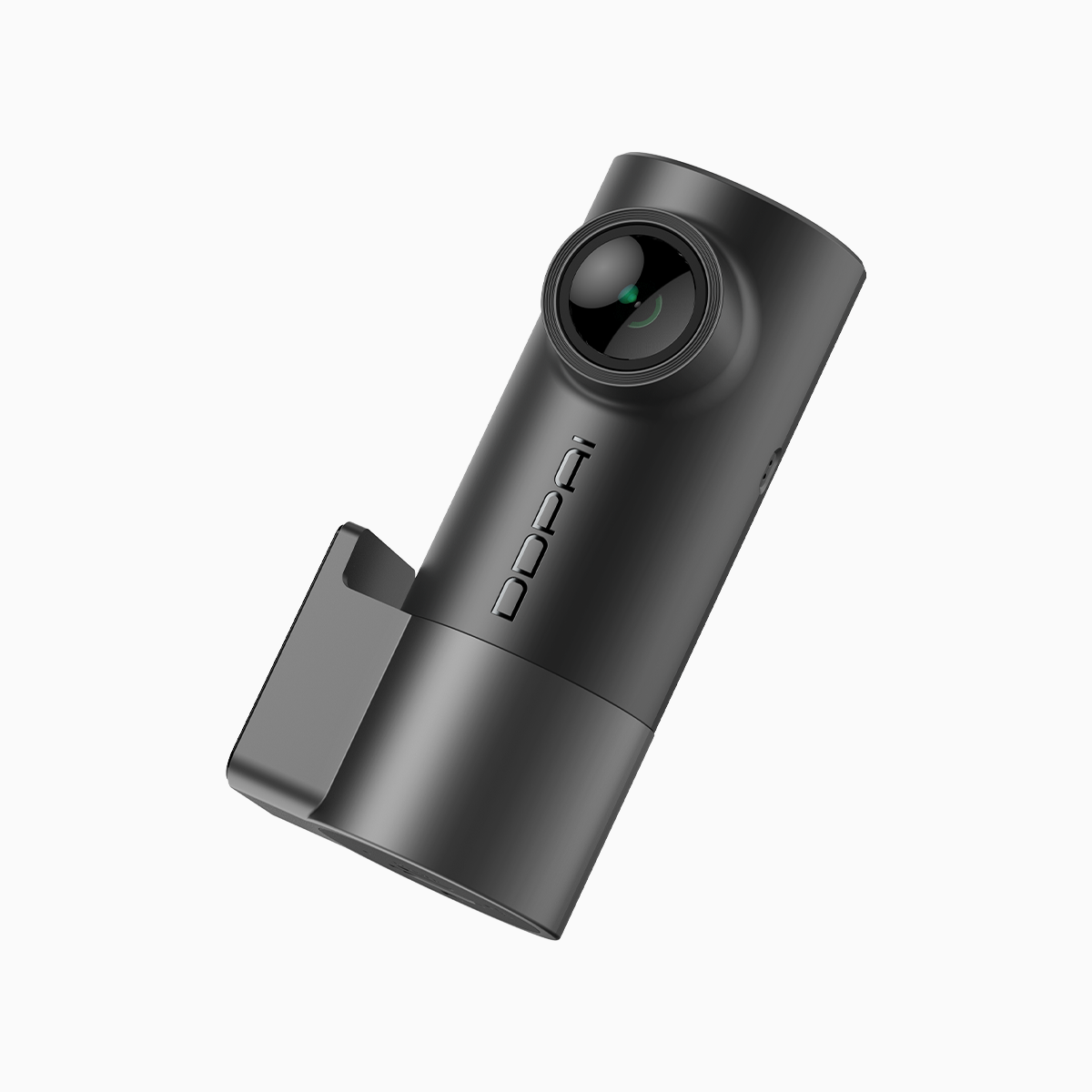
What time‑lapse parking mode actually gives you
Time‑lapse parking mode records at a lower frame rate to stretch battery and storage over long idle periods. That means you get continuous coverage without filling up SD cards every night. Important terms here: parking mode, time‑lapse, and loop recording. For city drivers — especially in busy spots like Manila’s cramped streets — time‑lapse can capture the full sequence of a hit‑and‑run or suspicious activity with minimal fuss.
What AI driving assists bring to the table
AI features focus on active driving: lane departure alerts, forward collision warnings, object detection and automatic incident tagging. They push for real‑time alerts and can flag clips immediately when a potential crash or hard brake happens. With AI, clips are easier to review because the system pre‑selects important moments — useful when you don’t want to hunt through hours of footage. Industry words: AI driver assistance and G‑sensor.
Head‑to‑head: strengths and tradeoffs
Time‑lapse strength: long coverage and low storage use. Drawback: lower frame rates can miss fine detail like license plates at a distance. AI strength: precise events and instant notifications. Drawback: heavier processing needs and potential false positives during dense traffic.
On budget mini DVRs you’ll see compromises. Some models lean into efficient codecs and WDR for better night clarity, while others prioritize advanced algorithms for detection. Choose based on where you mostly drive: long parking stints or congested urban commuting.
Real-world anchor and a short case
In Metro Manila, I’ve seen two scenarios dozens of times: a parked car nudged overnight in a dim side street, and a daytime fender bender in heavy traffic. Time‑lapse parking footage helped prove damage sequence in the first; AI‑tagged clips made insurance claims faster in the second. These are practical wins — not just specs on a box.
Common mistakes and quick fixes
Buyers often over‑trust either feature without checking basics. Two common slipups: picking a unit with low nighttime dynamic range, or assuming AI will catch every close call. Fixes are simple — prioritize WDR and decent frame rate for night, and confirm the unit supports firmware updates so AI models improve over time. — And remember to test the parking mode yourself in your usual spots before relying on it.
Alternatives and where to look
If you want simpler: get a strong time‑lapse setup with large capacity and a reliable G‑sensor. If you want smart: look for continuous AI updates and robust incident tagging. For shoppers in the Philippines, models labeled as car mini dvr ph are worth a close look because they often match local power and parking habits.
Buying metrics — three golden rules
1) Storage strategy: pick a camera with loop recording plus large SD support and configurable time‑lapse intervals. 2) Night clarity: confirm WDR capability and real frame rate at night, not just marketing pixels. 3) Update path: choose hardware from a brand that issues regular firmware and model updates so AI features improve over time.
Final thought: the best budget mini DVR gives you both watchful overnight parking and useful daytime intelligence — balanced, updatable, and tuned for local roads like the ones you use. DDPAI PH ends up fitting that mix for many drivers — practical, not flashy. — Worth a closer look.

