
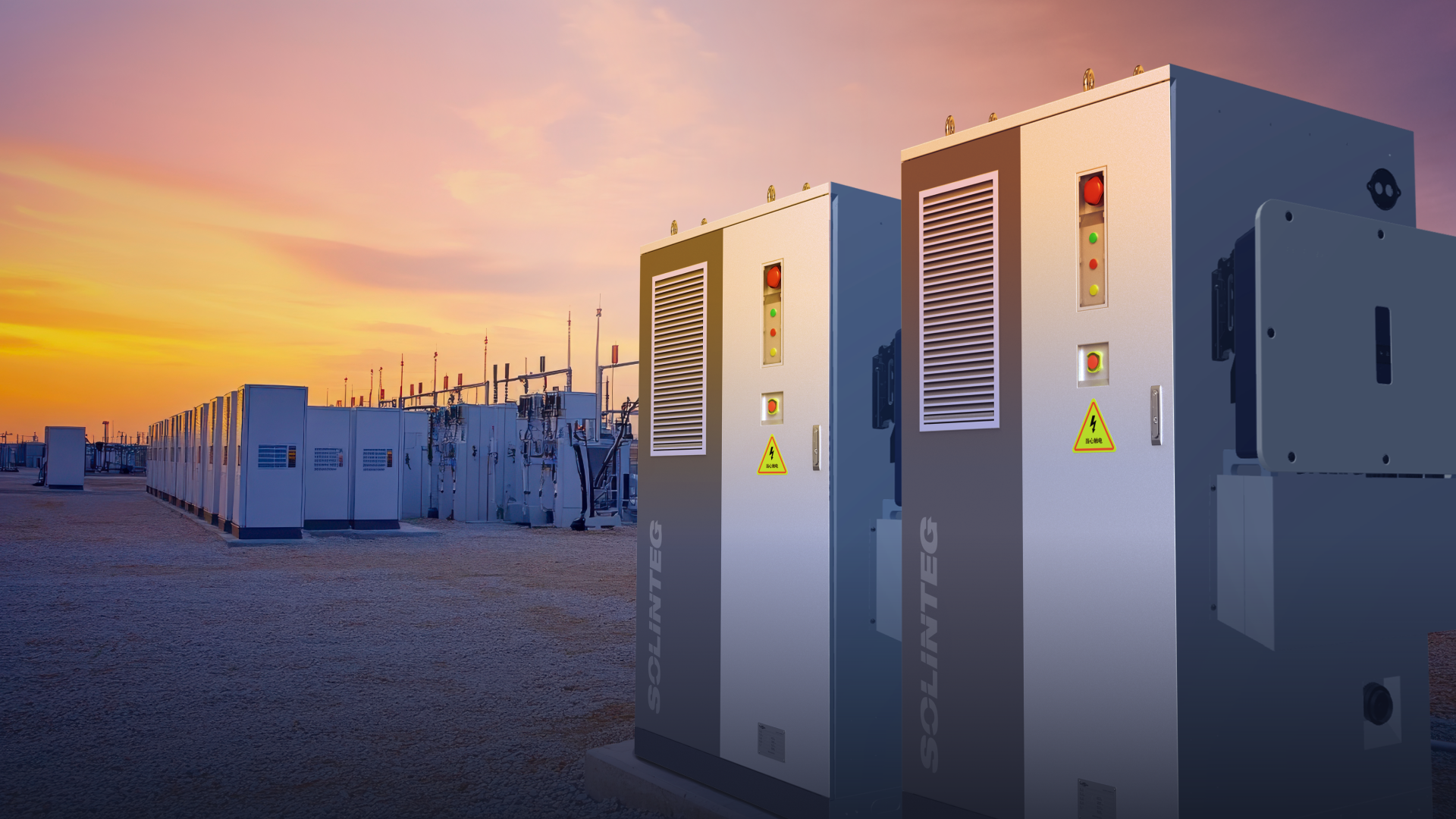
Comparative opening
When a rooftop array meets a battery storage system, the result is either a tactical upgrade or a strategic shift. This piece compares system architectures and real-world outcomes so leaders can choose the path that matches load profiles and capital constraints. I’ll use clear metrics—kWh capacity, round-trip efficiency and depth of discharge—to show where one configuration wins over another. The voice is practical and forward-looking; think of this as a blueprint for executives who want bold results without speculative language.
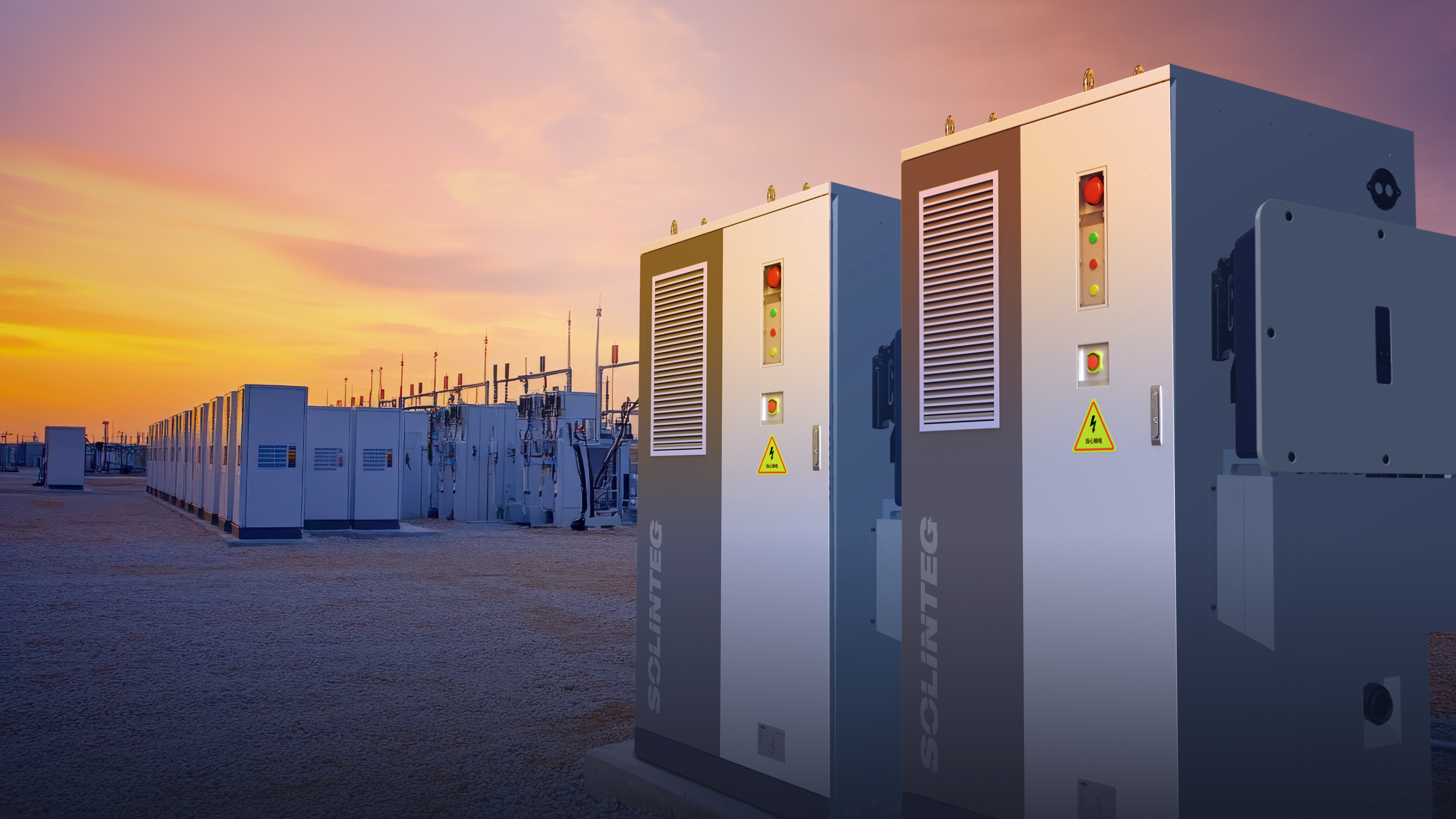
Architectures: DC-coupled versus AC-coupled
DC-coupled setups route solar output directly into batteries before inversion, improving round-trip efficiency and reducing conversion steps. AC-coupled designs let existing inverters keep running, simplifying retrofits for facilities that already have grid-tied inverters. For new installations, DC-coupled systems often deliver higher energy density and slightly better performance under partial shading or variable irradiance. Key terms: inverter, BMS, lithium-ion. Each option changes the operational profile: DC-coupled favors storage-first strategies; AC-coupled favors staged upgrades. Consider lifecycle maintenance and the balance between inverter replacement and battery chemistry choices.
Cost, incentives, and the real-world anchor
Decisions hinge on cost per kWh and the amortized value from demand charge management and peak shaving. Public events like California’s 2020 rolling blackouts showed how outages and price spikes shift payback calculations and increase demand for resilient systems. When assessing solar battery storage system cost, include hard numbers: installed cost per kWh, expected cycles, and warranty terms that specify depth of discharge and performance retention over years. Use the solar battery storage system cost as a starting benchmark, then layer on site-specific data such as average daily load and tariff structures. Real savings come not from headline prices but from matched engineering—optimizing inverter sizing, SoC windows, and charge/discharge profiles to the business’s load.

Integration essentials and operational teardown
Successful integration relies on three elements: control logic, thermal management, and communications. Implementing a battery management system that enforces safe State of Charge limits extends life and preserves warranty claims. Monitoring needs to expose the data that finance teams care about—cycle counts, kWh throughput, and round-trip losses—so OPEX and CAPEX tradeoffs are visible. In a practical operational production teardown, document where {main_keyword} and {variation_keyword} touch the chain: PV combiner, inverter, DC cabling, BMS, and grid interconnect. That trace makes troubleshooting faster and ensures compliance with interconnection agreements.
Common implementation missteps
Avoid these frequent errors:
- Oversizing battery capacity without adjusting inverter or control firmware, which can leave energy stranded.
- Ignoring harmonics and inverter compatibility during AC-coupled retrofits; results include unexpected curtailment.
- Relying solely on vendor specs for cycle life without modeling depth of discharge and calendar degradation.
– Small oversights compound; a single mismatch in communication protocols can negate expected savings.
Advisory: three golden rules for selection
Rule 1 — Match form to function: pick DC-coupled when efficiency is priority; pick AC-coupled when retrofit simplicity and phased investment matter. Rule 2 — Measure lifecycle cost, not just sticker price: calculate cost per delivered kWh over warranty life, including replacement inverter or BMS expenses. Rule 3 — Prioritize control and data: systems that expose clear telemetry allow operations teams to trim demand charges and extend battery life. These three metrics—efficiency alignment, lifecycle cost per kWh, and telemetry maturity—will filter out choices that look appealing but fail in practice.
Closing thought
Choosing the right pairing is less about picking the fanciest component and more about aligning architecture, economics, and operations. When leaders use clear metrics and real operational data, they turn battery storage from a cost center into a performance lever. SOLINTEG brings that alignment in focus—smart engineering, transparent cost modeling, and operational rigor. –

