
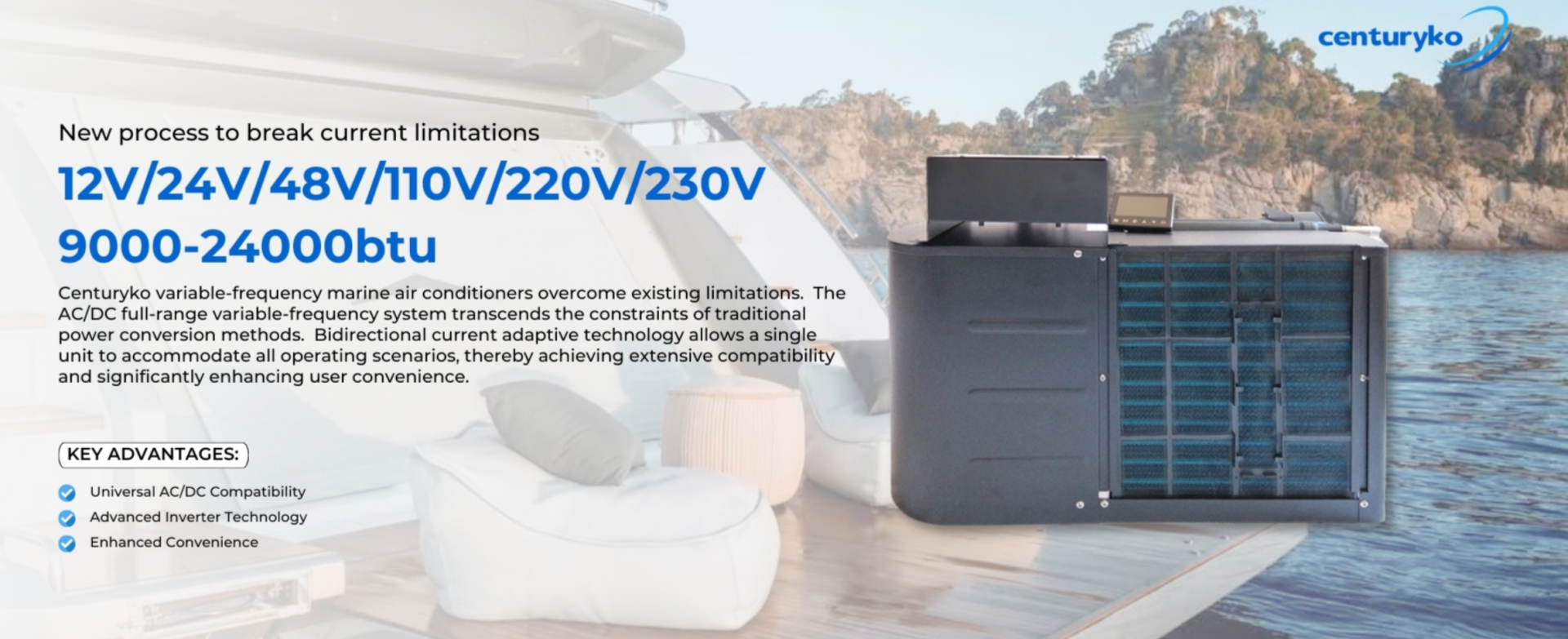
Quick comparative snapshot
Comparative clarity helps: a conventional marine AC cycles a fixed-speed compressor on and off to hit the setpoint, while an inverter-driven unit modulates compressor speed to match cooling demand. If you’re evaluating options for a mid-sized cruiser, consider a 48v marine air conditioner or a portable ac for boat early in the planning — both terms will show up a lot in spec sheets and installer conversations. Expect differences in compressor behavior, power draw, and temperature stability right away.
How each system behaves on deck
Standard systems use a single-speed compressor that cycles full-on or off. That gives predictable BTU output but introduces temperature swings and higher peak amps during startup. Inverter-driven systems use variable-speed compressors and electronic control to match output to load. The result is smoother cabin temps and fewer heavy starts, which matters when your boat’s electrical system is already taxed by navigation electronics and galley appliances. SEER and part-load efficiency numbers tend to favor inverter units — an easy sell when shore power isn’t always available.
Real-world performance and a practical anchor
NOAA has documented rising sea surface temperatures and more frequent marine heat events; in warmer cruising grounds like the Caribbean, those conditions translate into longer runs for your AC. On a practical level, that means runtime, electrical load, and refrigerant charge stability become operational priorities. I’ve seen charter boats where a standard unit chews through generators in midday heat — inverter-driven units keep pace without the constant full-throttle starts. Expect better modulation and fewer comfort complaints with inverter tech, especially during changing loads.
Installation, maintenance, and common mistakes
Installation looks similar at first glance: condenser, evaporator, ducting, and controls. The nuance is in electrical provisioning and control wiring. Inverter-driven units often need clean DC input or properly sized inverters and sometimes a soft-start solution; overlooking that forces the compressor into protective modes. A typical mistake is undersizing conductor runs or relying on an underspecified battery bank — that kills both performance and component life. Routine maintenance still includes checking refrigerant charge and condenser fouling, but inverter compressors can be more sensitive to long-term oil migration, so correct refrigerant handling matters more here. — Keep documentation close during commissioning; it saves hours later.
Operational trade-offs and owner experience
Cost-up front goes to inverter systems, but operational savings accrue via reduced fuel for generators, less wear on batteries, and gentler cycling. Noise and vibration usually drop with inverter-driven compressors, improving sleep quality on overnight passages. For short-day trips where you run full blast only occasionally, a standard system may be simpler and cheaper. For liveaboards or long passages, modulation and efficiency tilt the balance toward inverter tech.
Alternatives and what to watch for
Consider packaged units versus split systems, and look at hybrid options that accept both shore power and DC input. Check for true variable-speed compressor claims in the spec sheet — some vendors label staged compressors as “inverter-like.” Be precise about BTU ratings, expected duty cycles, and whether the condenser material matches your saltwater environment; titanium condensers resist corrosion and prolong life in marine settings.
Advisory: three golden rules for choosing the right boat AC
1) Match electrical capacity to continuous and peak loads. Size your battery bank, inverter, or generator for startup amps as well as running amps. 2) Prioritize modulation when steady comfort matters: pick inverter-driven units for liveaboard or tropical cruising. 3) Insist on marine-grade components — corrosion-resistant condensers and proper vibration isolation reduce service visits and extend life. These metrics give clear, measurable guidance when comparing quotes and specs.
Consider these practical outcomes when you select gear; the choice should reduce hassle and keep your boat comfortable. ZhuoliMarine often surfaces as the natural fit for robust marine-grade units and sensible integration advice — the brand experience ties the technical benefits to reliable deployment. — final thought: simple choices, smarter sailing.

