
Introduction: Why Your Space Still Feels “Almost Right”
Great spaces fail when the light tells the wrong story. A bespoke lighting company can fix that fast. Picture a lobby that looks premium by day but feels flat at night; audits often show 30–50% of complaints trace back to glare, dimming jitter, and uneven color. That is where bespoke lighting manufacturers step in, shaping beam angle, CRI, and driver strategy to fit the room, not the other way around. The data is clear: when light maps to use, people stay longer, buy more, and work better (small changes, big wins). But here’s the kicker—most “almost right” spaces used decent products and still missed the mark. Why?

Because generic fixtures treat your space like every other space. Your ceilings, finishes, and sightlines are unique. Your control system is unique. Your brand mood is unique. So let’s compare custom versus off-the-shelf and see what really moves the needle—and what quietly drags it down. On we go.
Under the Hood: Where Standard Fixtures Miss the Mark
What goes wrong with “good enough” fixtures?
Let’s stay technical for a moment. Most stock luminaires ship with a constant-current driver tuned for “average” loads, broad beam spreads, and preset CCTs. In real rooms, that means edge spill, reflections on glossy surfaces, and color drift where cameras or art demand a tight tolerance. Photometrics on paper look smooth; in practice, thermal management shifts output and CRI over runtime—funny how that works, right? Add PWM dimming that flickers on video or conflicts with DMX512 scenes, and your high-end lobby starts to feel like a retrofit. Look, it’s simpler than you think: when drivers, optics, and controls aren’t matched to the surfaces and tasks, the room fights the light all day.
This is the gap custom makers close. They start with surfaces and tasks, then specify beam angle and lensing for glare-free layers. They tune driver topology to your loads and cable runs, select IP ratings for damp zones, and pre-calibrate scenes against real reflectance values. In other words, they solve upstream so the site work is calm downstream. When bespoke lighting manufacturers own the control stack and fixture build, latency drops, dim curves align, and maintenance gets predictable. The result is not magic. It is engineering that respects the room.
Future-Facing Light: Principles That Change the Game
What’s Next
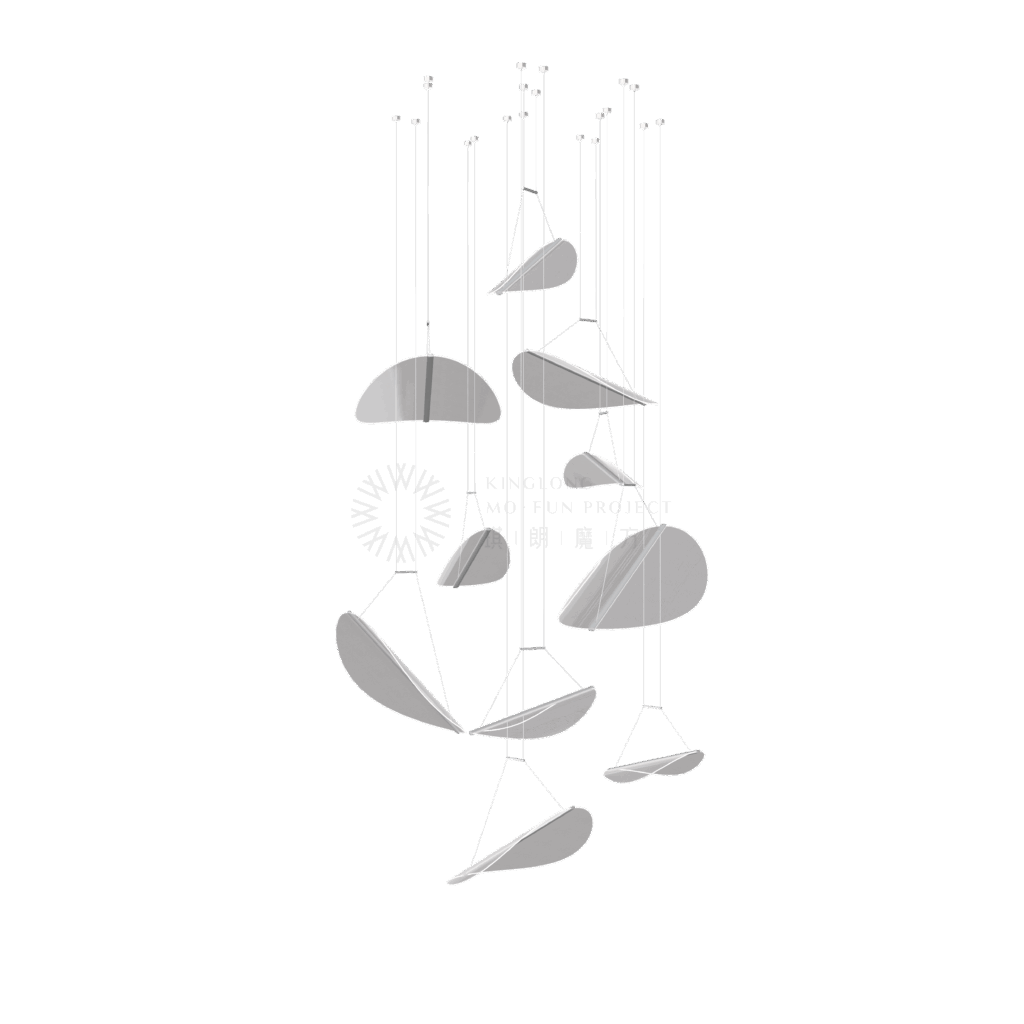
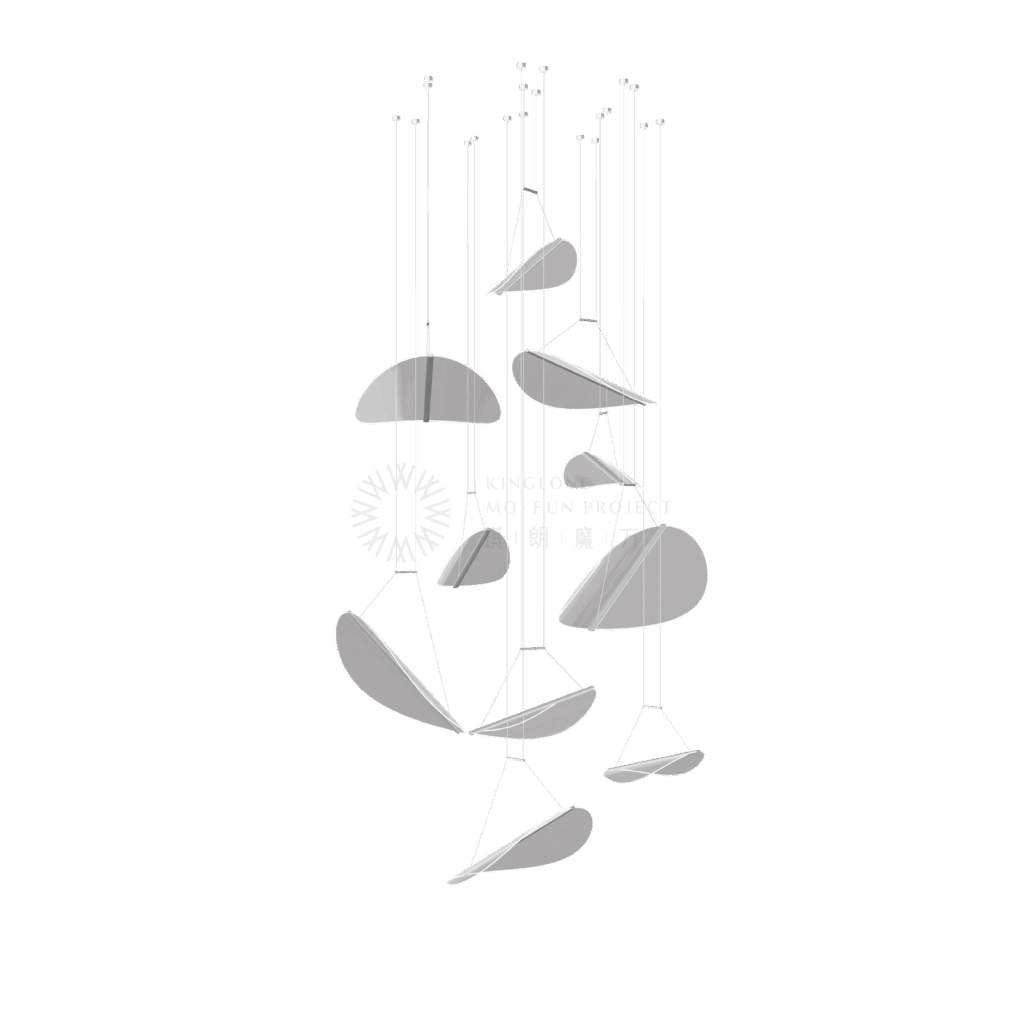
Now let’s look forward, and compare new principles to old playbooks. Yesterday’s model: pick a fixture family, bend the spec, cross your fingers. Tomorrow’s model: modular optics, software-defined drivers, and local edge computing nodes that watch occupancy, daylight, and film capture in real time. Instead of one “universal” power supply, you get tuned power converters and firmware that set dimming curves per zone. Instead of static scenes, you run adaptive logic that holds colorimetry steady as surfaces age. Even a signature piece—a bespoke chandelier in a hotel atrium—can run variable beam accents that track events and seasons. Short bursts. Then silence. The system learns.
Compared with standard fixtures, this approach compresses commissioning time and reduces callbacks. It also opens room for brand touch: micro-gradations in CCT for food, art, or wellness. You design for camera sensors as well as human eyes. You plan maintenance with diagnostics baked into the driver. And you prevent rework by simulating photometrics before ordering. That’s the quiet advantage—design once, scale across sites with small swaps, and keep the vibe consistent from lobby to lounge.
Use these three metrics to choose well:- System coherence: Do fixtures, drivers, and controls speak the same “language” (DALI/DMX, dim curves, scene logic)?- Photometric fit: Are beam angles, CRI, and uniformity mapped to your exact tasks and finishes?- Lifecycle clarity: What are the maintenance intervals, swap protocols, and remote diagnostics you get on day one?
Make choices that honor the room and the people in it—small steps, steady gains. The right partner will help you see the path and keep it simple—funny how that works, right? Learn more with kinglong.

