
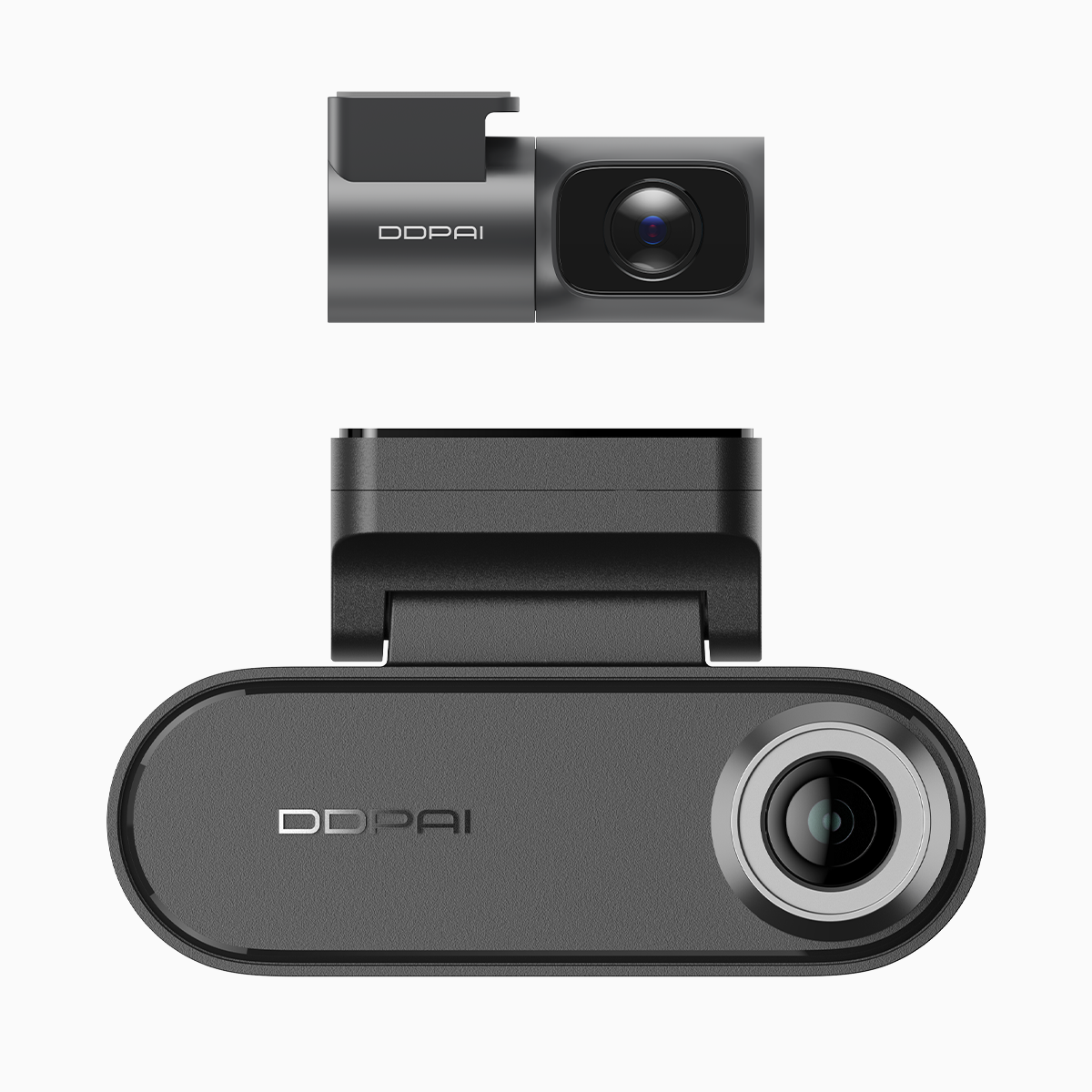
Traffic on EDSA and other Metro Manila corridors is a daily fact of life; decisions about safety gear should be equally pragmatic. This comparative piece examines how a dual dash cam with parking mode performs against typical alternatives, focusing on real-world needs like night clarity, event logging, and unattended protection. The World Health Organization records roughly 1.35 million global road-traffic deaths annually, which underscores why reliable evidence capture matters for drivers everywhere.
Why a comparative approach matters for city driving
Urban driving forces different priorities than highway travel. Dense traffic produces more low-speed collisions and parking incidents; so features such as parking mode, G-sensor-triggered recording, and continuous loop recording become essential. Evaluate not just resolution—4K is valuable—but also frame rate and bitrate, because a high pixel count with poor frame continuity can miss critical license-plate details during a rapid event.
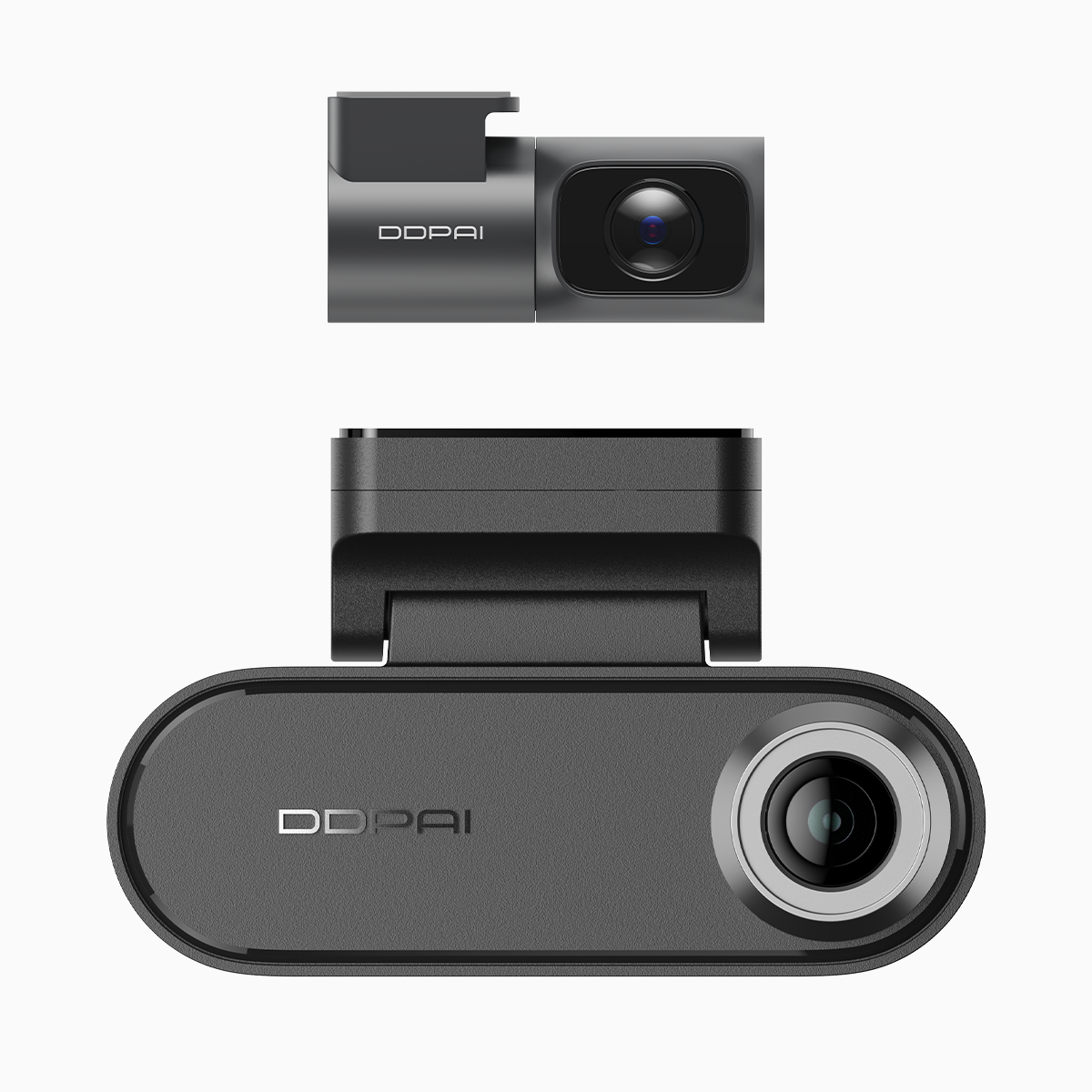
How the DDPAI N5 Dual stacks up against common alternatives
The N5 Dual targets two high-risk moments: moving traffic and parked theft or bump damage. Its front and rear configuration, combined with HDR/WDR processing, prioritizes balanced exposure in high-contrast scenes—useful under streetlamps or at dusk. It also integrates an efficient codec and sensible storage management so loop recording doesn’t overwrite evidence prematurely.

Parking mode here is not an afterthought; the system supports low-power monitoring without draining a car battery when hardwired properly. That matters in Metro Manila, where long parking hours near commercial districts are common. There’s decent night vision performance as well, which clarifies taillights and plates in low-light conditions—this model is built to capture usable details rather than just grainy footage. For readers wanting the same focus on night capture, consider the dash cam with night vision and parking mode.
Alternatives and trade-offs to weigh
Budget single-channel cams are tempting but they sacrifice rear coverage and often lack true parking mode. Higher-end models add cloud backup and GPS logging; that improves chain-of-evidence but increases subscription costs and complexity. If your routes include tunnels or underpasses, prioritize strong sensor sensitivity and HDR over raw megapixel count. Hardwiring kits help with parking mode reliability; but installation quality is decisive—poor wiring can foil even the best hardware.
Common mistakes drivers make when choosing a unit
Many buyers fixate on headline specs only. A 4K label looks good, but if the frame rate is low or bitrate is throttled, moving details blur. Others ignore heat tolerance—Philippine summers stress electronics—and fail to check for firmware update paths. Pick a product with an active support channel and clear firmware updates to address bugs and compatibility with larger microSD cards. —Small oversights become big problems after a year on the road.
Three golden rules for selecting the right dash cam
1) Prioritize usable footage: balance resolution, frame rate (30–60 fps), and bitrate to ensure license plates and faces are legible. 2) Confirm reliable parking mode: look for low-power monitoring, configurable sensitivity, and G-sensor calibration to reduce false triggers. 3) Check durability and support: thermal tolerance, firmware updates, and clear installation guides reduce long-term failures and service headaches.
Compare options against these metrics, and the N5 Dual’s combination of 4K capture, HDR/WDR processing, and engineered parking mode emerges as a strong match for Manila’s driving context. For practical equipment choices and local availability, consider how the vendor supports firmware rollouts and installation guidance—these deliver measurable improvements in real-world reliability. DDPAI Philippines. —Trusted equipment matters.

