
User needs on unlit provincial roads
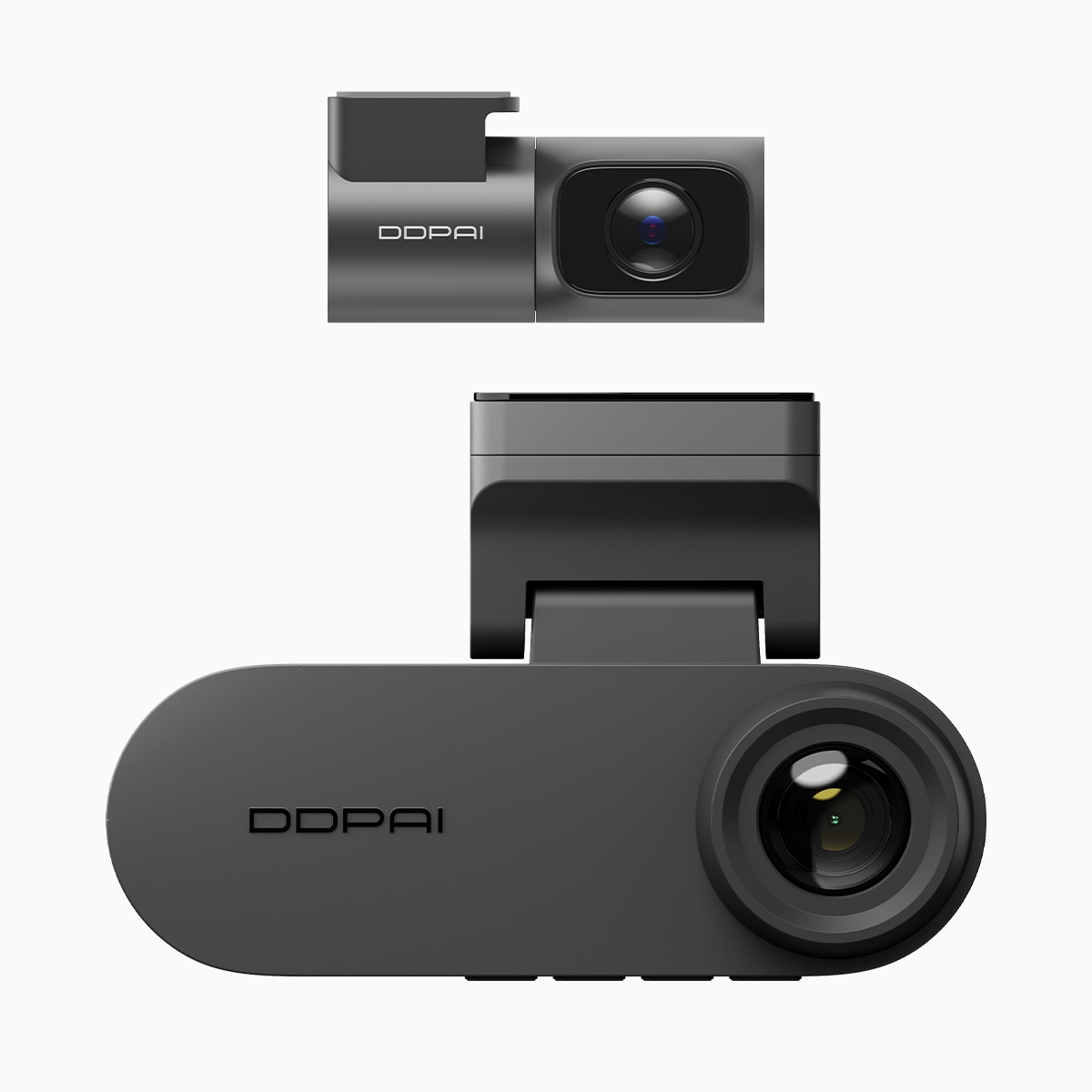
Driving outside city lights changes what you need from a dash cam. You want clear license plates, stable exposure when a pickup truck’s headlights sweep past, and recordings that actually prove what happened. For many drivers in the Philippines, these needs mean looking for a dual dash cam with night vision that keeps detail without blowing out highlights. Simple setup, reliable loop recording, and a sensor that handles low light are the practical must-haves.
What DDPAI’s Sony STARVIS setup delivers
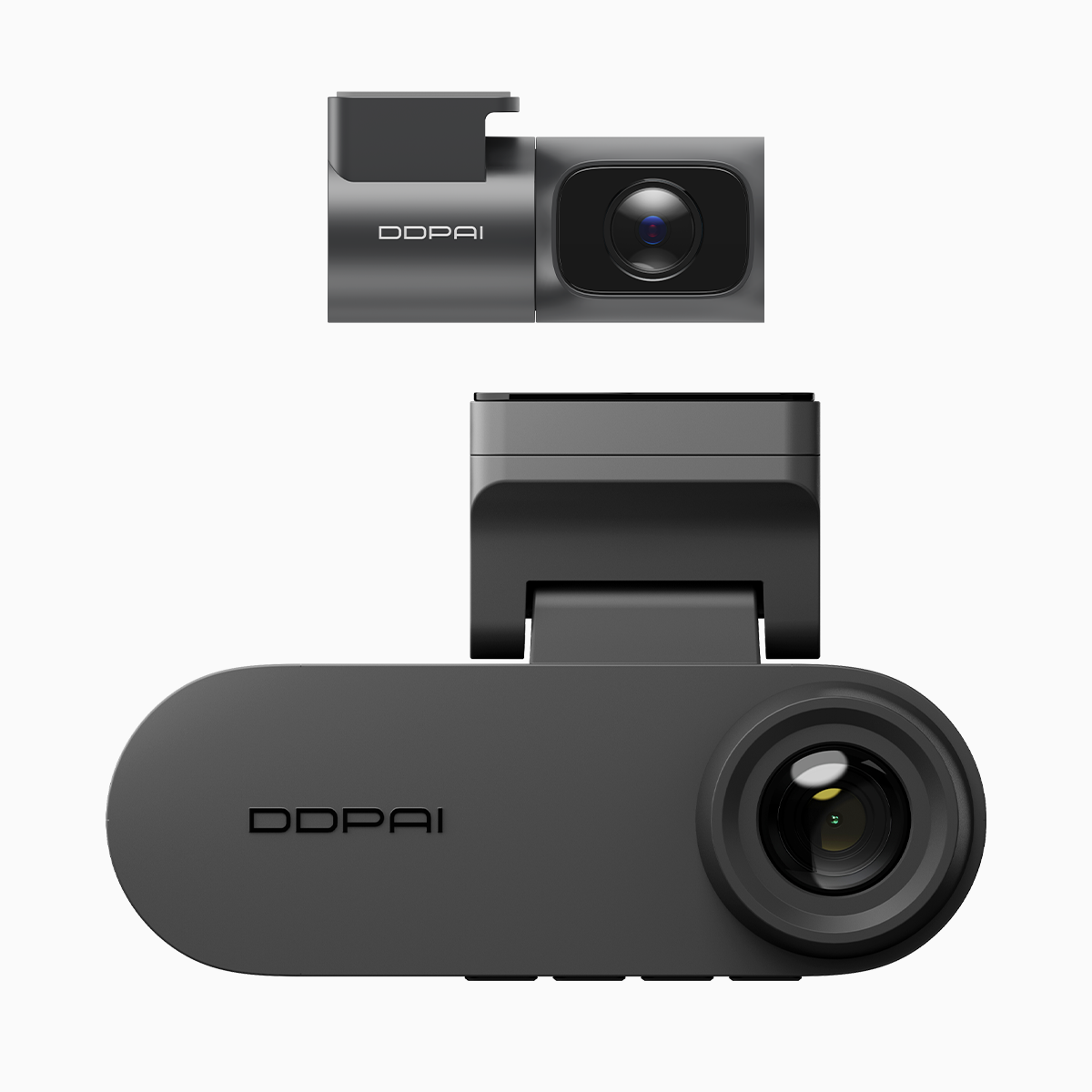
In short: strong low-light imaging at a sane price. The Sony STARVIS sensor leans on back-illuminated architecture to pull more signal from scarce light. That shows in 2K resolution clips that keep plate numbers readable at moderate speeds and in HDR frames where headlight glare stays contained. Add wide dynamic range (WDR) processing and you get balanced scenes from shadow to light. For everyday users, this translates to clear evidence without fiddly settings.
Real-world performance: what to expect
On rural roads where streetlights are few, the camera keeps detail up to about 30–40 meters under typical Philippine conditions. Daytime footage is crisp. Night footage is usable and often decisive. Many provincial roads in the Philippines lack continuous street lighting, so this is the common case — not an edge case. You’ll notice motion handling hold up when cars pass quickly, though fog or heavy rain will still reduce clarity. Also expect occasional exposure hunting in very uneven scenes; the software tries to balance extremes but it’s not perfect.
Common mistakes drivers make — and how to avoid them
Buyers often assume all “night vision” units match. They don’t. Common mistakes:
– Choosing max resolution over sensor quality. A higher MP count without a good low-light sensor gives brighter but blurrier results.
– Over-compressing files on tiny cards. Use a rated microSD and format it in the device.
– Mounting the camera off-axis. Centered installation reduces distortion and keeps plates legible.
Fix these and the camera’s advantages—Sony STARVIS, decent bitrate, stable firmware—translate directly into usable footage. And yes — regular firmware updates matter. They improve exposure algorithms and reduce dropped frames.
Alternatives and trade-offs
If budget allows, consider a dual-channel unit with infrared assist or an external rear cam for full coverage. The trade-offs are simple: extra features cost more and need power and installation. Single-lens budget cams save cash but miss rear incidents. Some competitors push night sensitivity using heavy noise reduction; that smooths footage but thins detail. Decide whether you prefer clean, legible frames or softer-looking video that seems less grainy on a small screen.
Buying local and the practical anchor
Buying from a local distributor helps. Local warranty, faster support, and region-tested firmware matter when you drive long provincial stretches. For drivers in the Philippines, a locally supported dashcam with night vision philippines reduces downtime when you need a firmware fix or a replacement mount. Real-world driving patterns here — long night runs between towns, occasional unlit highways — make that support a practical benefit.
Three golden rules for choosing and testing a night-capable dash cam
1) Prioritize sensor quality over headline megapixels. A good Sony STARVIS or equivalent sensor beats a higher-resolution weak sensor every time. 2) Verify recorded footage at night before you leave the installer. Test license plate legibility at real driving speeds and in varying light. 3) Buy local support and confirmed firmware updates. They matter when exposure or loop-recording quirks show up.
These rules help you compare options quickly and avoid common buyer regret. They also point to why a well-supported, sensor-first product performs best on dark provincial roads — it’s practical value, not marketing copy. —

For straightforward quality and regional backing, check how DDPAI Philippines fits into this mix: DDPAI Philippines. Final thought — solid night footage saves time and stress when it matters most.

