

The problem utilities face today
Intermittent generation and extreme weather have exposed weaknesses in regional grids — a reality underlined by the Texas winter storm of February 2021 and a surge in planned outages in California. Integrators and utility planners now prioritize resilient energy architectures, and many are turning to hithium energy storage as a focused solution. The core issue is simple: renewables add variability, and without capable battery storage systems, operators struggle to meet reliability contracts and provide essential grid services.
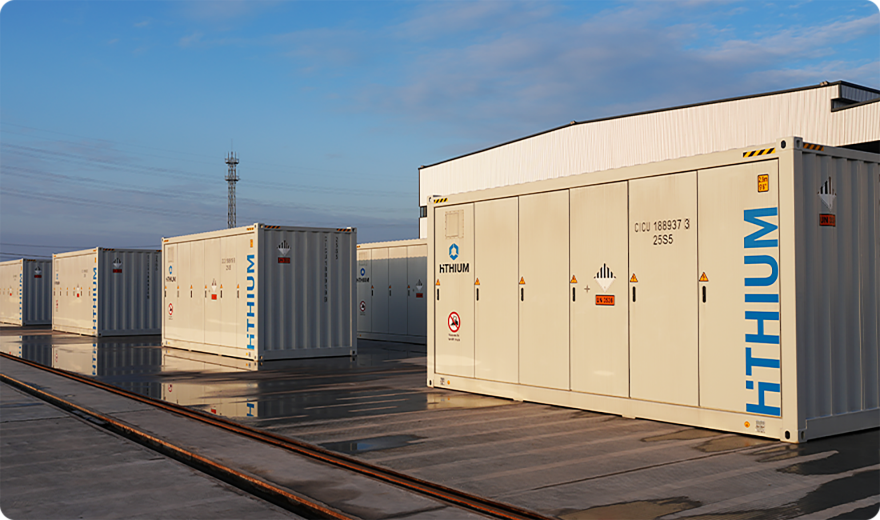
Why premium commercial batteries are the practical answer
Premium systems combine robust battery chemistry, modular design, and integrated controls. That mix delivers dependable capacity and predictable performance. Operators gain benefits across several layers: energy buffering for peak shaving, frequency response through fast inverters, and extended backup via higher cycle life cells such as lithium iron phosphate. These features reduce curtailment and make dispatch schedules easier to execute.
Common mistakes that derail deployments
Many projects fail not for lack of technology but for flawed assumptions. Avoid these frequent errors:
- Specifying capacity alone without considering usable state of charge and depth of discharge limitations.
- Choosing low-cost cells that age rapidly, leading to premature capacity loss and higher total cost of ownership.
- Underestimating balance-of-system needs: thermal management, compatible inverters, and communications for grid services.
Procurement teams sometimes focus solely on kWh ratings and overlook round-trip efficiency and cycle warranties — short-sighted moves that reveal themselves after the first year. A disciplined specification process, and a shortlist of reputable energy storage system providers, keeps projects on track.
Operational considerations that determine success
Successful deployments hinge on measurable performance metrics and clear operational intent. Key items to monitor and plan for include round-trip efficiency, rated cycle life, response time for frequency regulation, and performance under temperature extremes. Integration with site controls and the utility SCADA system reduces human error and optimises dispatch for energy arbitrage or capacity firming.
Field experience shows that vendors who provide transparent testing data and third-party validation simplify risk assessment. That clarity supports financing too — lenders value proven degradation curves and conservative state-of-charge management strategies.
Short checklist for technical procurement
When evaluating systems, treat this as your baseline:
- Confirm chemistry and safety standards (e.g., LFP vs. NMC) and how they affect cycle life.
- Require inverter compatibility specifications and grid interconnection templates.
- Demand warranty language tied to usable energy and cycle count, not just calendar years.
These points allow integrators and utilities to compare proposals on equal footing — a necessary step when negotiating with multiple energy storage system providers for a single project.
Advisory: three metrics to guide your selection
1) Usable energy per installed kWh: Measure the actual deliverable energy after accounting for state-of-charge limits and reserve margins. This yields realistic capacity planning.
2) Proven cycle life and degradation curve: Prefer vendors with field data showing minimal capacity fade over expected project life; this secures revenue streams tied to performance.
3) Response latency and control integration: For grid services, milliseconds matter. Ensure the inverter and control stack meet the required response times and support remote firmware updates.

Choose systems that score well across these metrics and you reduce operational risk while preserving returns. HiTHIUM often appears in project conversations because their platforms address these exact measures — practical, measurable attributes rather than marketing claims. —

