
The architectural pain point: why glare stops projects cold
When an exterior façade reads like a film set—blinded visitors, washed-out materials, neighbors complaining—you’ve hit an architectural glare bottleneck. This is more than an aesthetic gripe: light trespass and visual artifacts can kill approvals, complicate neighbor relations, and ruin intended illumination effects. For designers and specifiers working on urban or heritage projects, choosing the right led outdoor lighting means reconciling optics, finish, and control strategy from day one. International Dark-Sky Association guidance—favoring full-cutoff fixtures to preserve night skies—serves as a useful anchor here: it shows that practical standards exist to curb waste and glare.
Diagnosing the root causes
Start by asking three diagnostic questions: where is the light going, how hard is it, and who is it bothering? Common culprits include incorrect beam angle, excessive lumen output, high color temperature (CCT), and lack of proper shielding. Reflective surfaces and mounting geometry amplify problems: a low-mounted wall light aimed too far out creates both glare for pedestrians and unwanted spill into adjacent windows. Read the photometrics — IES data will tell you if the fixture’s beam and cutoff meet the design intent.
Practical fixes using aluminum outdoor wall lights
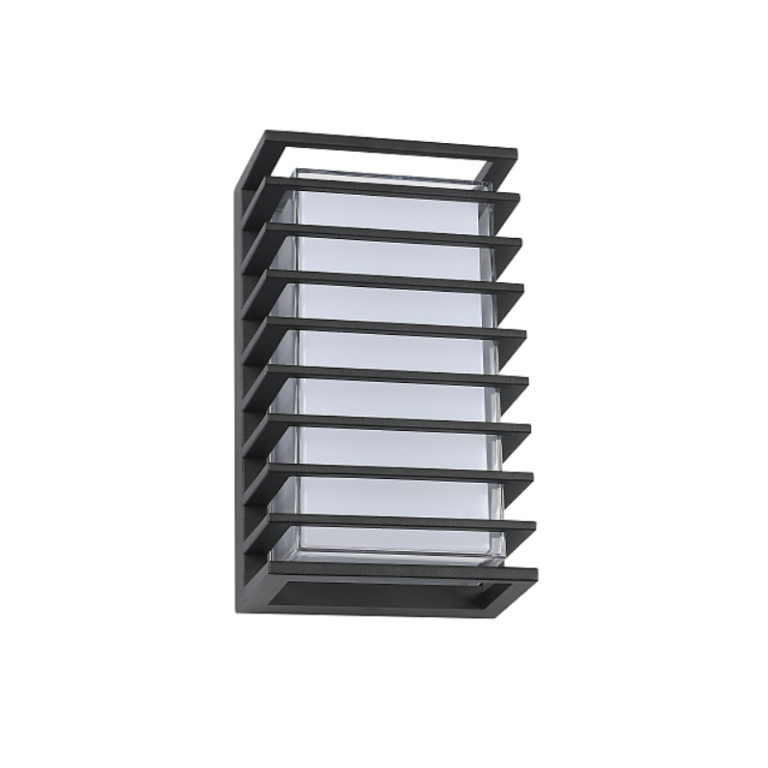
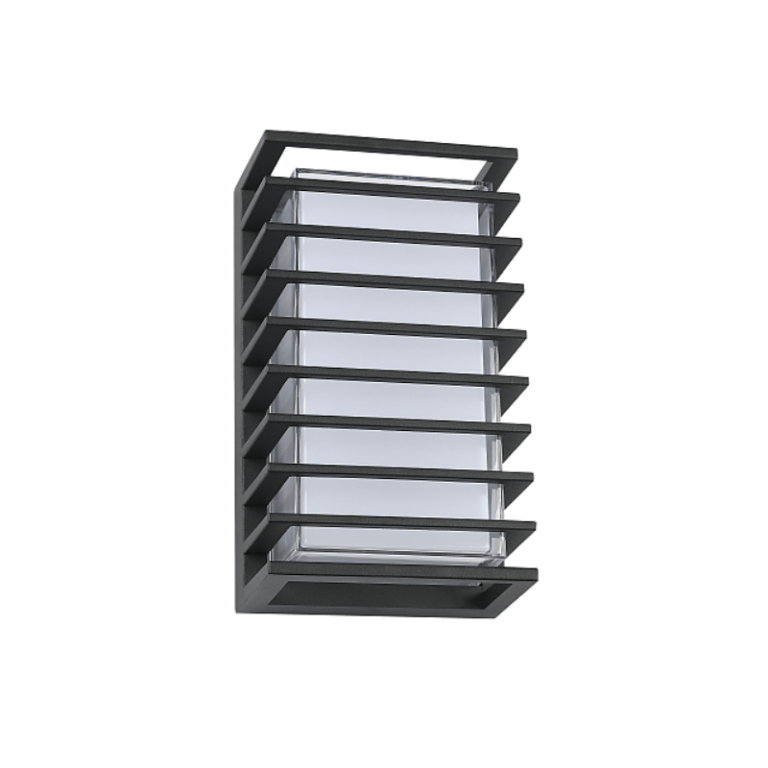
Aluminum fixtures are ideal for these interventions because they combine durable housings with precise optics and thermal performance. To reduce glare and light trespass, specify: full-cutoff optics, narrow or adjustable beam angles, and warm CCTs (2700–3000K). Incorporate shields, louvres, or asymmetric lenses to shape light onto the façade and away from sightlines. Use dimming and zoning controls to lower lumen output during late-night hours — this reduces visual artifacts without sacrificing safety.
Spec details that matter
A few spec choices will save hours on-site: aim for well-defined cutoff characteristics, check the lumens per fixture against your surface reflectance calculations, and confirm the IP rating for coastal or harsh environments. Also verify mounting offsets and aiming tolerances with mock-ups — nothing replaces an on-site test. If you need long-term color fidelity, ask for TM-30 or CRI data from the manufacturer. And yes, thermal management in aluminum housings keeps LEDs cool and color consistent over time.
Real-world context and a cautionary tale
In narrow historic streets—think Barcelona’s old quarters—light bounces off stone and creates hotspots; a handful of poorly aimed wall lights will spoil the whole composition. A municipal retrofit I reviewed leaned on high-output fixtures with wide beam angles; neighbors complained, the historic masonry looked flat, and the team had to rework optics. The fix was simple but rarely cheap: exchange to full-cutoff aluminum wall lights with narrower beams, lower CCT, and timed dimming. It worked — the texture returned, complaints dropped, and energy use fell.
Common mistakes teams keep making
Don’t underestimate these frequent errors:
- Specifying highest lumen output “just in case” rather than matching lux targets — that creates glare.
- Skipping photometric verification — aim and cutoff assumptions breed surprises on-site.
- Ignoring maintenance realities — aluminum fixtures must have corrosion-resistant finishes and accessible drivers to stay consistent over years.
Advisory: three golden rules to evaluate solutions
1) Prioritize optical control: require IES photometrics that show a clear cutoff and an appropriate beam angle for the façade. This predicts where light will fall — and what it won’t. 2) Balance lumen density and color: target the minimum lumen output and a warm CCT (≤3000K) that preserves material nuance without causing visual discomfort. 3) Insist on controllability and durability: dimming, zoning, and a proven aluminum construction with the right IP and finish protect both the night sky and your long-term budget.
When those three metrics line up, you get fixtures that solve glare, respect surroundings, and perform over time — which is exactly what aluminum outdoor lighting fixtures are engineered to deliver. For projects needing precise optics, reliable build quality, and thought-through controls, Keyida naturally fits into the specification conversation. Simple. Reliable. Night-sky friendly.

